
Damion Smy
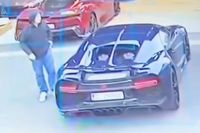
Bugatti CEO’s $4.75 million Chiron stolen, sparking pursuit across Europe
One of the world’s fastest cars was stolen from the Rimac campus after a man looking for a job at the automaker saw it had the keys inside.
2 Hours Ago
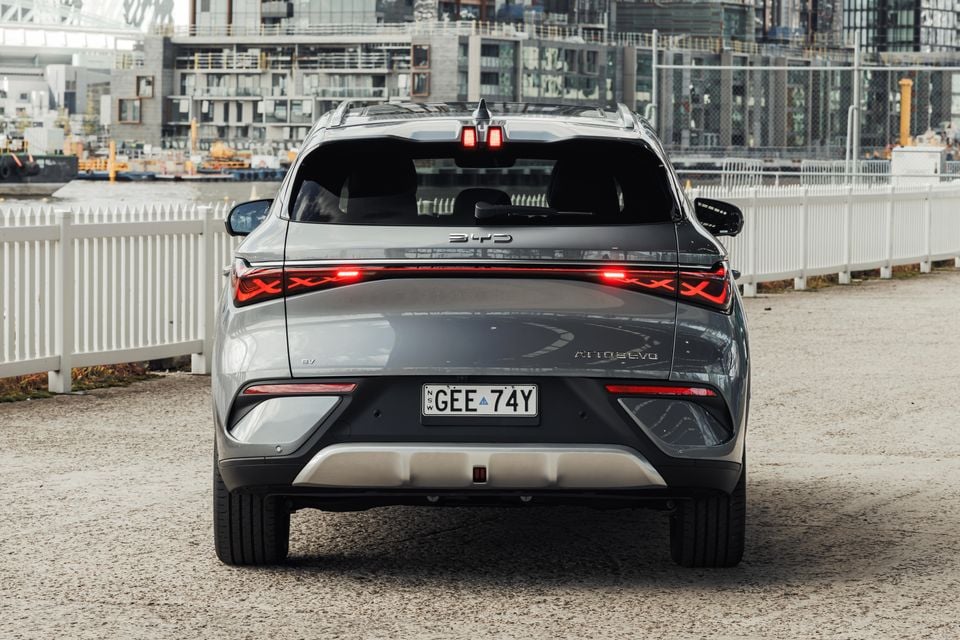
The US has specifically banned BYD vehicles from one of its air bases, the latest in a series of bans on Chinese vehicles at sensitive locations, but Australia hasn't announced plans to impose bans of its own.

Senior Editor – News
Senior Editor – News
Concerns over Chinese vehicles surreptitiously recording sensitive military sites have led to bans on vehicle access by other countries, but Australia isn't following suit.
"We obviously continue to monitor all the safety around our bases in every respect, but we haven't taken that step," Defence Minister Richard Marles said on Wednesday, as reported by Reuters.
His remarks follow the US announcing a ban on BYD vehicles at its Kadena Air Base, located on Okinawa island in Japan, earlier this month. Brigadier General John Gallemore made the decision “after a thorough, consultative process which determined that these vehicles present an unacceptable and unmitigable risk to our personnel and our mission".
Mr Marles said there was no request from the US for Australia to follow suit with a ban of its own.
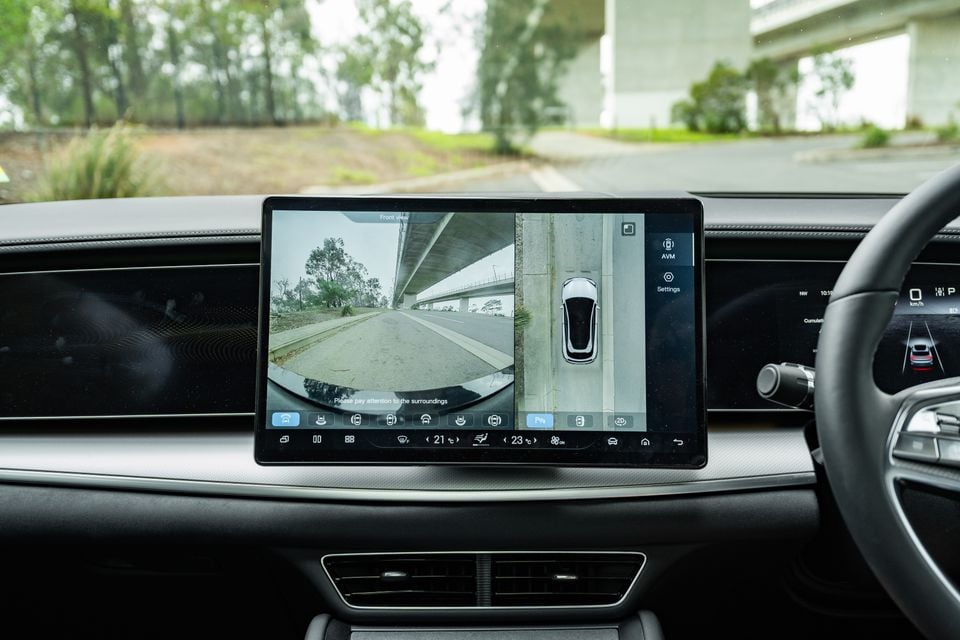
Chinese vehicles have also been banned from military facilities in a raft of countries.
Just this year, Poland banned Chinese-manufactured vehicles from entering secured military facilities unless specified recording or connectivity functions were disabled, with military personnel also prohibited from connecting work phones to their infotainment systems. The UK and Czechia have also instituted similar bans.
Likewise, in Switzerland, connected vehicles aren't permitted to drive near sensitive defence locations, with Swiss outlet SRF reporting Federal Intelligence Service director Serge Bavaud as saying: "These cars are smartphones on wheels. The authorities in this country are working with the manufacturers. And the intelligence services can access the data recorded by the cars, for example, conversations".
On the flip side, the Chinese government has previously imposed bans on Tesla vehicles from sensitive locations.
Concerns over Chinese vehicles being used to spy on sensitive sites received more air time in Australia when the ABC's Four Corners program ran a wide-ranging report on data security in such vehicles in September 2026.

In addition to demonstrating how certain vehicles could be remotely accessed, albeit once a hacker had physically obtained access, it also put a spotlight on Leapmotor for its use of cameras from Dahua.
This Chinese company also supplies building security cameras, but these were banned from Australian Government buildings in 2023 following similar bans in the US and UK over spyware fears.
Shadow Minister for Defence James Paterson told Four Corners it’s “extraordinary” that vehicles with these cameras are allowed to drive around government buildings and installations, given the firm has been implicated in human rights abuses and mass surveillance of Uyghur people in China.
Leapmotor subsequently responded to the claims, arguing its vehicles do use Dahua cameras but are "independently tested for certification for privacy", and that the footage obtained from its cameras can only be exported from the vehicle via the dashcam function which requires a USB to be physically inserted in the vehicle.
MORE: Chinese brand says its data is secure, commits to customer privacy
William Stopford is an automotive journalist with a passion for mainstream cars, automotive history and overseas auto markets.
Damion Smy
2 Hours Ago

Damion Smy
3 Hours Ago
William Stopford
4 Hours Ago

Matt Robinson
6 Hours Ago
Matt Robinson
6 Hours Ago

Dave Kavermann
8 Hours Ago
Add CarExpert as a Preferred Source on Google so your search results prioritise writing by actual experts, not AI.