
Alborz Fallah
How the Ford Bronco and Tesla Model S helped shape Chery’s iCaur
Chery says it wanted iCaur models to combine the elevated view of a Ford Bronco with the smooth, quiet driving experience of a Tesla.
3 Hours Ago
Toyota is targeting bold economy gains with the engine it'll use in its next-generation hybrid and PHEV models.

Journalist
Journalist
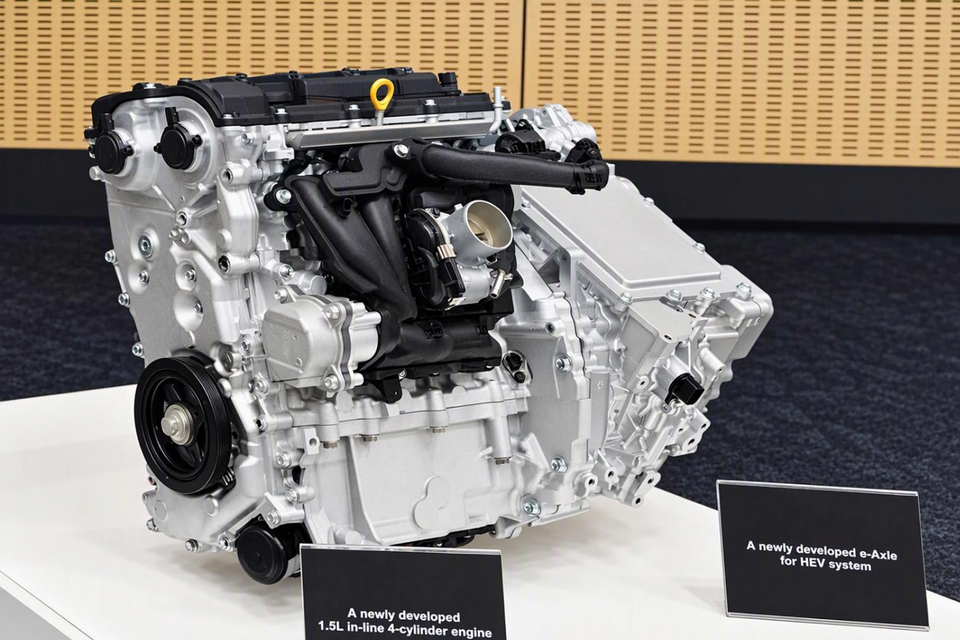
Toyota is targeting fuel economy improvements of more than 15 per cent with a new 1.5-litre engine designed to underpin its next-generation hybrid and plug-in hybrid (PHEV) models, likely including the next Corolla.
The new four-cylinder petrol engine is being developed specifically for hybrid and PHEV applications, rather than being adapted from any existing combustion engine, and will be offered in naturally aspirated and turbocharged forms.
Toyota is also developing smaller, lighter electric motors, power control units and inverters to work alongside the new engine.
The naturally aspirated version is designed to replace the company’s 1.8-litre four-cylinder and 1.5-litre three-cylinder engines, which are used in models including the Yaris, Yaris Cross, C-HR and Corolla.
Toyota has yet to confirm which production models will receive the new powertrain first, or when it will enter production. However, the claimed efficiency gains could deliver significant fuel savings across the brand’s popular hybrid models.
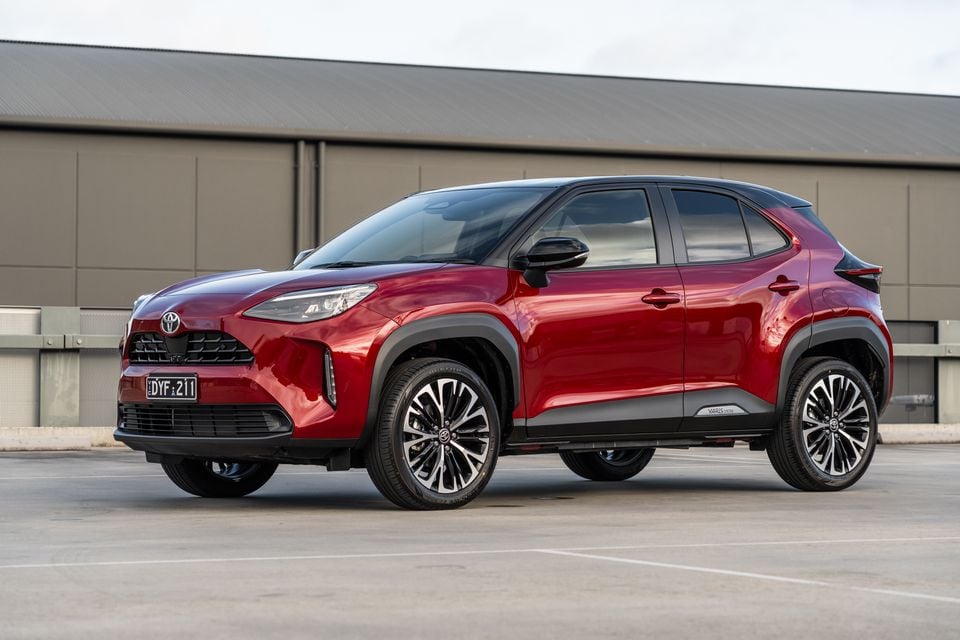
Toyota Australia currently advertises hybrid fuel consumption as low as 3.5L/100km for the Yaris hatchback, 3.8L/100km for the Yaris Cross SUV, and 4.0L/100km for the Corolla Hybrid hatchback. For context, it claims fuel consumption of 4.5L/100km for the RAV4 Hybrid and 4.0L/100km for the Camry, which use a 2.5-litre engine.
A 15 per cent improvement over those figures would equate to a consumption figure of approximately 3.0L/100km for the Yaris, 3.2L/100km for the Yaris Cross, and 3.4L/100km for the Corolla.
For the Yaris, which has a 36-litre fuel tank, that efficiency would theoretically allow a driving range of 1200km between refuelling stops.
Toyota says the improvements will come from reducing mechanical friction, improving thermal management and cutting electrical losses throughout the hybrid system.
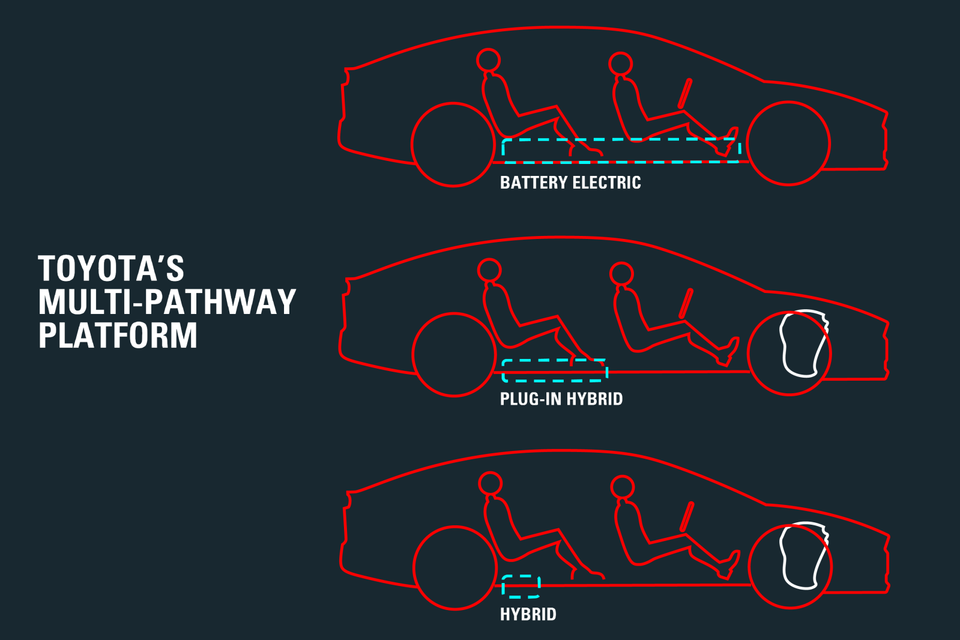
The new engine and its electrical components are also significantly more compact than existing systems, allowing them to be integrated into vehicle platforms designed primarily around battery-electric powertrains.
Toyota’s new multi-pathway platform architecture is intended to accommodate hybrid, PHEV and electric vehicles.
The smaller powertrain package could also allow designers to lower bonnet heights and create more aerodynamic vehicle shapes.
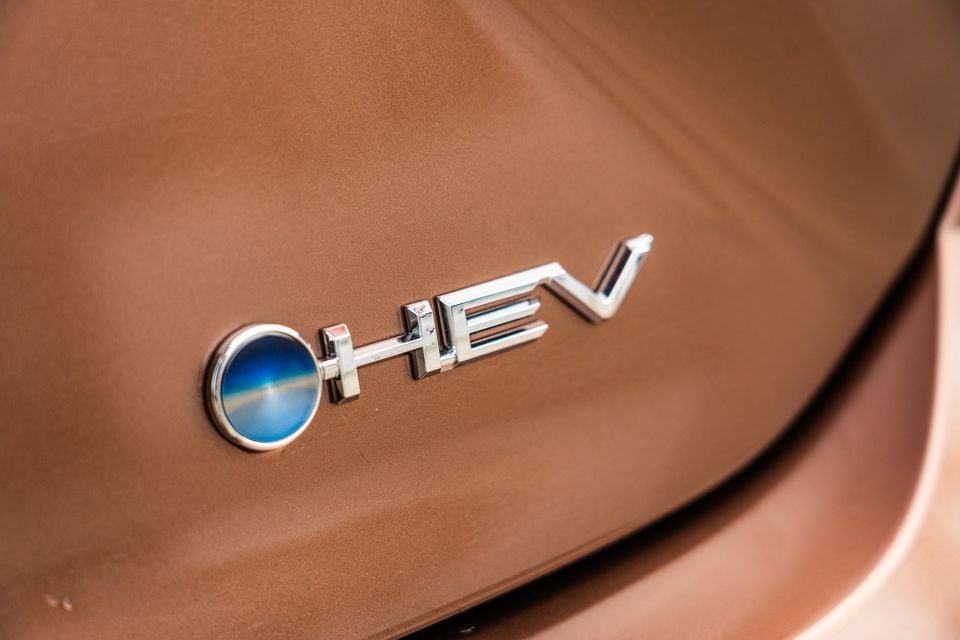
A common architecture is expected to reduce manufacturing and development costs by allowing Toyota to spread investment across vehicles with different powertrains.
It will also allow production facilities to adjust the mix of hybrid, PHEV and electric vehicles according to customer demand, rather than requiring entirely separate vehicle architectures for each type.
Toyota says it will continue to pursue its multi-pathway approach to reducing emissions, arguing different electrification technologies will remain important in markets with varying infrastructure, energy supplies and customer preferences.
The company also intends to develop the new engine and hybrid technology for use with renewable and carbon-neutral fuels, including hydrogen, potentially extending its application beyond conventional petrol-powered hybrids.
The announcement comes as automakers balance investment in EVs with continued demand for hybrids, which offer improved fuel economy over traditional petrol-powered vehicles without requiring drivers to plug in.
Dave is a Kiwi motoring journalist with experience in motorcycle racing, new car sales, radio and communications.
Alborz Fallah
3 Hours Ago

William Stopford
3 Hours Ago


Damion Smy
16 Hours Ago
William Stopford
19 Hours Ago
Damion Smy
22 Hours Ago

William Stopford
22 Hours Ago
Add CarExpert as a Preferred Source on Google so your search results prioritise writing by actual experts, not AI.