
Matt Robinson
2027 BMW 3 Series review: Quick drive
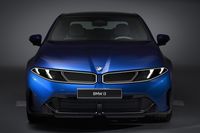
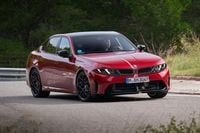
It’s Neue Klasse in look, but wonderfully Alt Schule in the way it drives – welcome to the excellent new BMW M350 xDrive.
2 Hours Ago
The launch of a new BMW 3 Series is a pretty big deal, but when it includes the first all-electric version – the i3 – it’s headline-grabbing stuff.
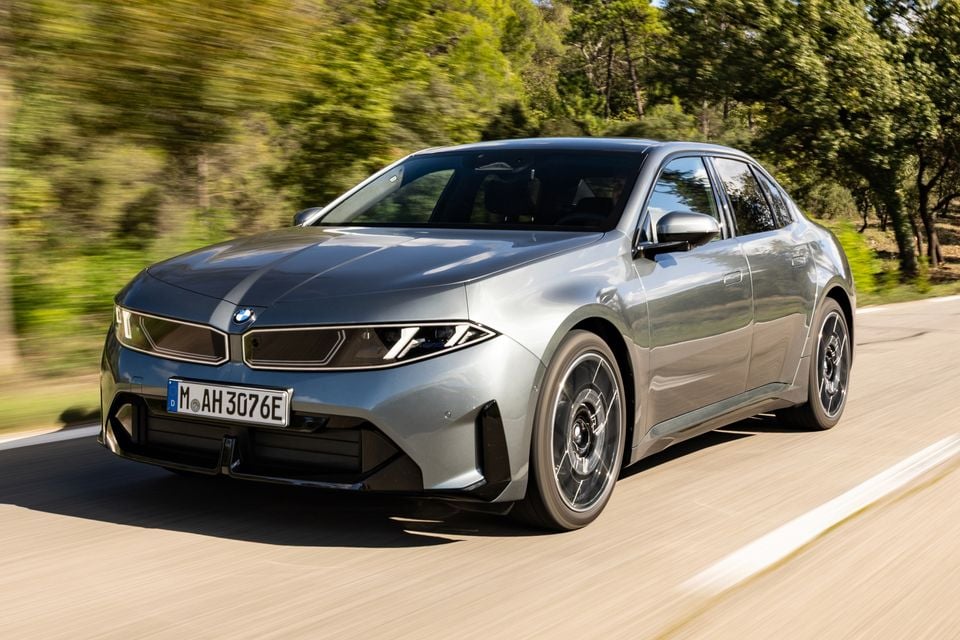
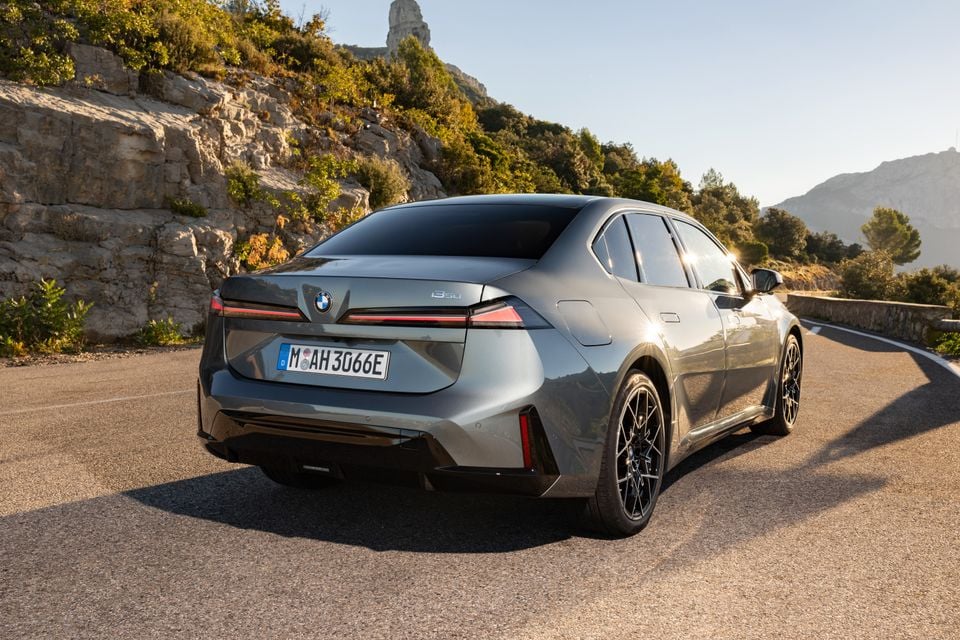
The BMW 3 Series is a sector-defining vehicle. Since it first appeared seven generations and more than 50 years ago in 1975, the area of the market it has competed in has been utterly dominated by this German compact executive car, so much so that all rivals are said to be in the ‘BMW 3 Series class’.
But for this eighth-generation model, part of the Bavarian automaker's Neue Klasse product revolution along with the iX3 and iX5 SUVs, the major development is the inclusion of a fully electric variant in the mid-size sedan lineup for the first time.
Is the BMW i3 the best choice in its model family, though? We headed to the south of France for our first drive in a premium 50 xDrive variant to find out.
If you want a petrol ‘G50’ BMW 3 Series, the 155kW 320 is your opener at $83,900 before on-road costs. However, the i3 kicks off at $96,900 plus on-roads for the smaller-batteried 40 xDrive, although this 50 flagship stretches to $112,900 plus ORCs.
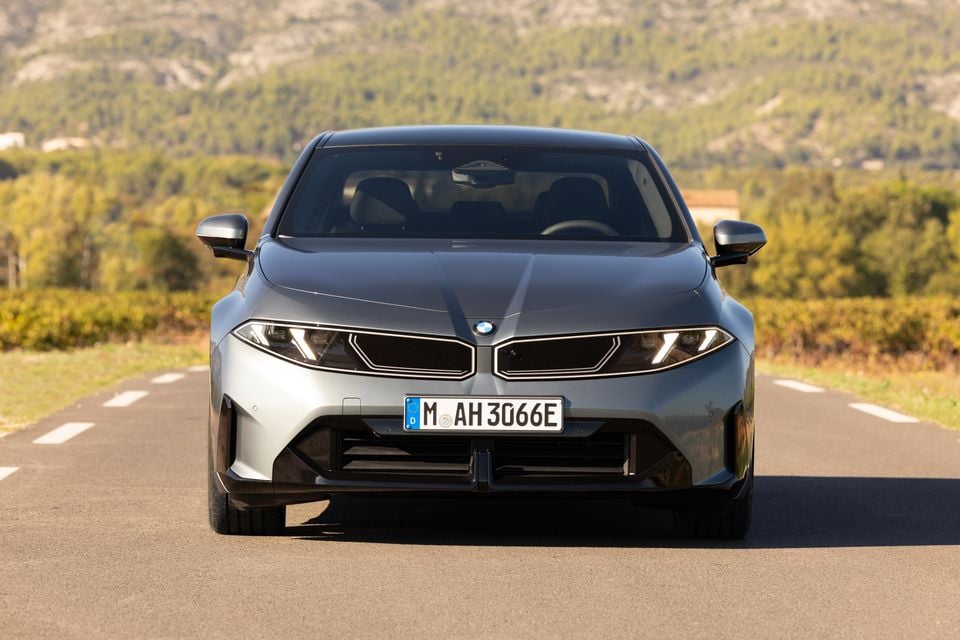
| Model | Price before on-road costs |
|---|---|
| 2027 BMW i3 40 xDrive | $96,900 |
| 2027 BMW i3 50 xDrive | $112,900 |
That does make it seem good value compared to the range-topping 3 Series petrol sedan, the $128,900 M350 xDrive, but bizarrely the top-shelf (so far) i3 costs $3000 more than BMW’s own iX3 mid-size electric SUV with the same 345kW dual-motor setup.
To see how the BMW i3 lines up against the competition, check out our comparison tool
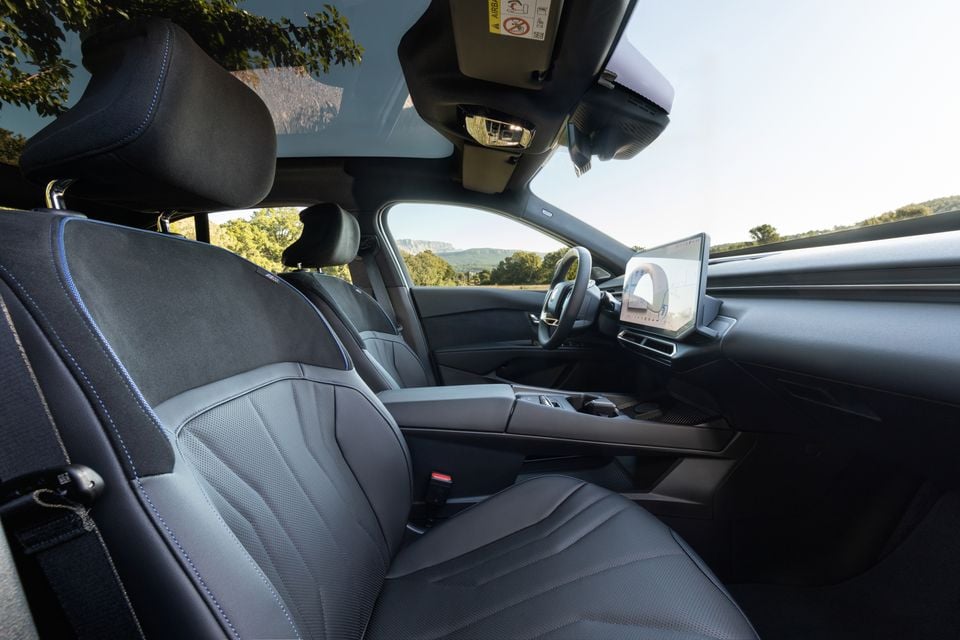
Technophobes, look away now: BMW’s gone in big style on the glitzy screens and interfaces.
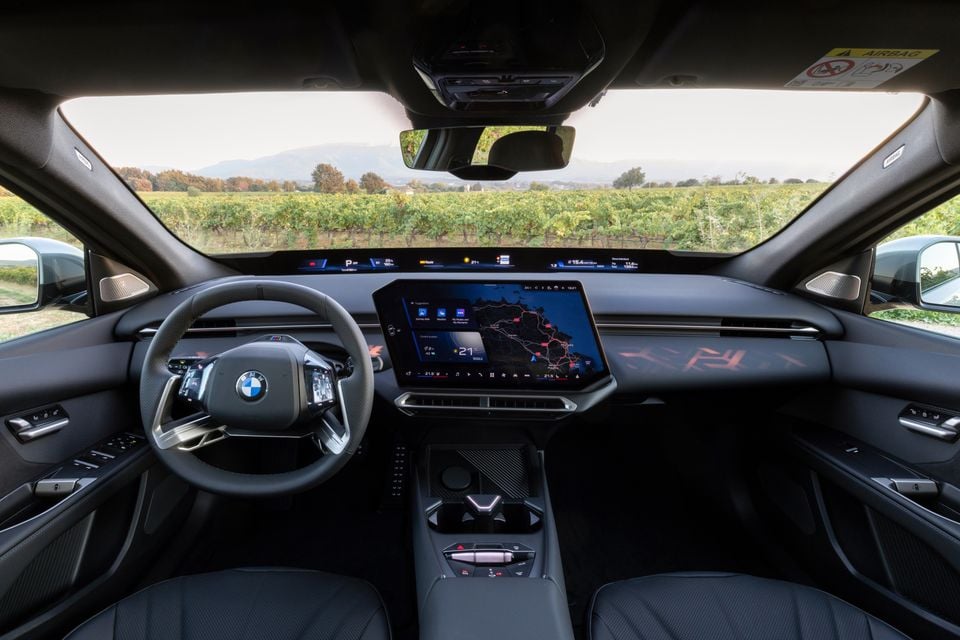
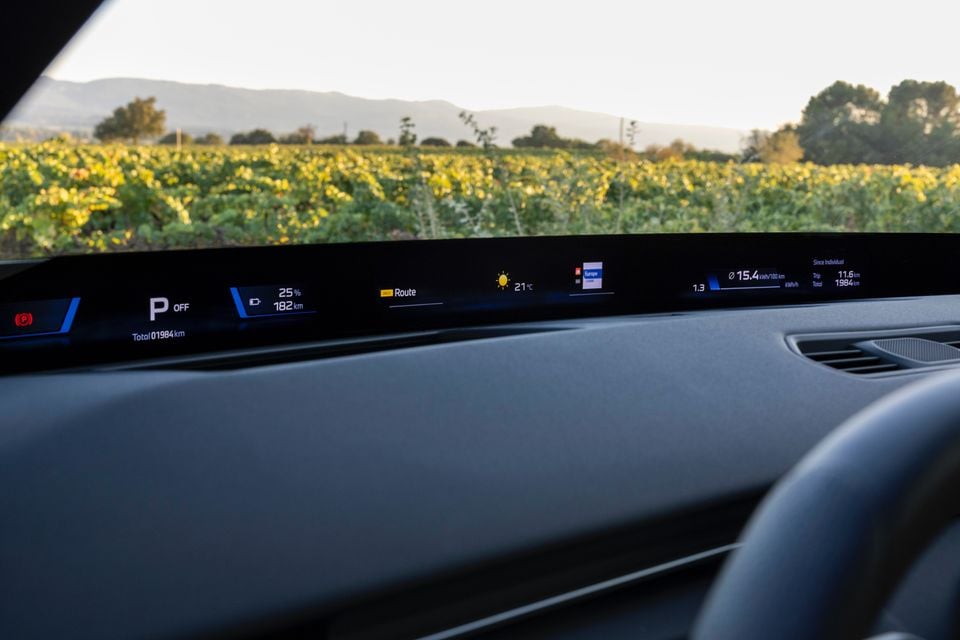
For what it’s worth, we think this arrangement is terrific, especially the Panoramic Vision digital strip which sits at the base of the windscreen and spans the full width of the i3’s interior.
It’s configurable, super-easy to read on the move, and it’s a real differentiator from the cabins found in products from BMW’s rival manufacturers.
This is coupled to the central iDrive touchscreen, which is graphically pin-sharp and crisp to respond, plus a brilliant augmented-reality head-up display.
So while we are big advocates of more buttons, as far as screen-based car interiors go the BMW I3’s is, ergonomically speaking, one of the best.
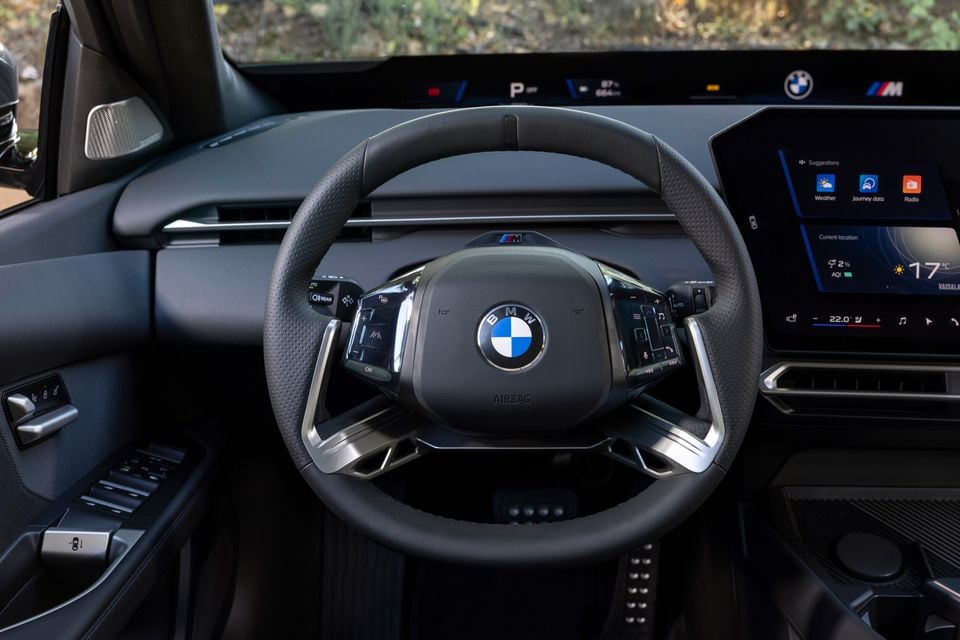
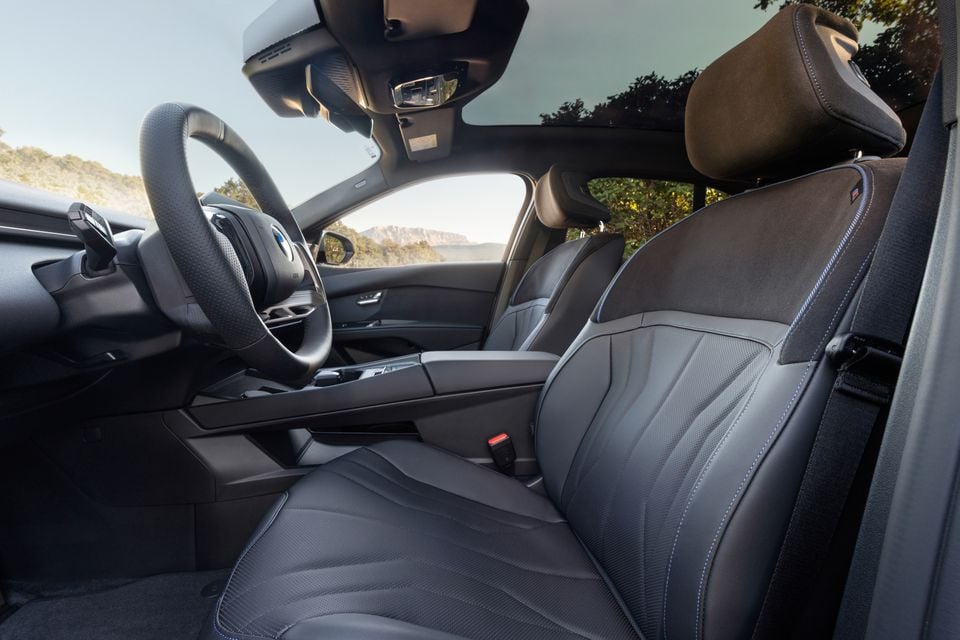
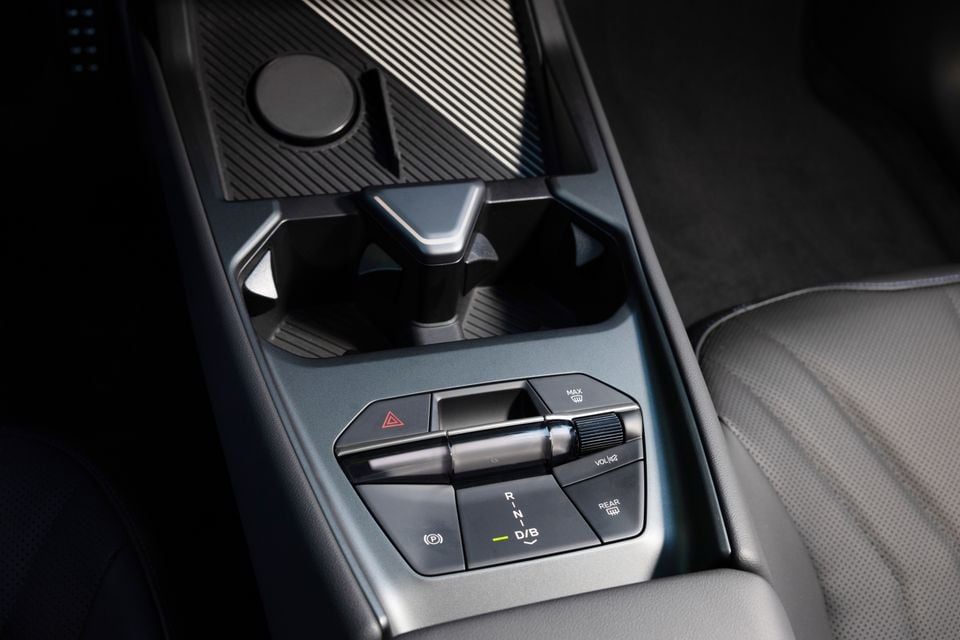
That said, all the climate controls are on the screen, which is a minor annoyance, and the resulting steering wheel design is somewhat contentious.
Countering that, material quality throughout the Beemer’s passenger compartment is uniformly superb.
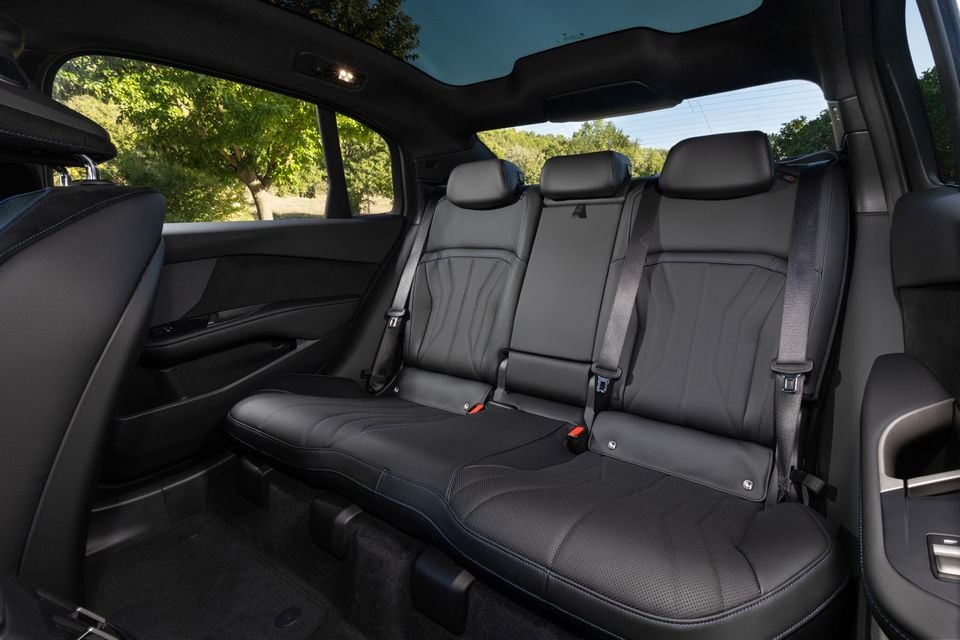
Shame, then, that rear-seat passengers might struggle to get their feet under the front seats, if the occupants there have lowered them to the floor – although there’s a completely flat floor in the rear of the i3, which there of course isn’t in the petrol-powered G50 cars.
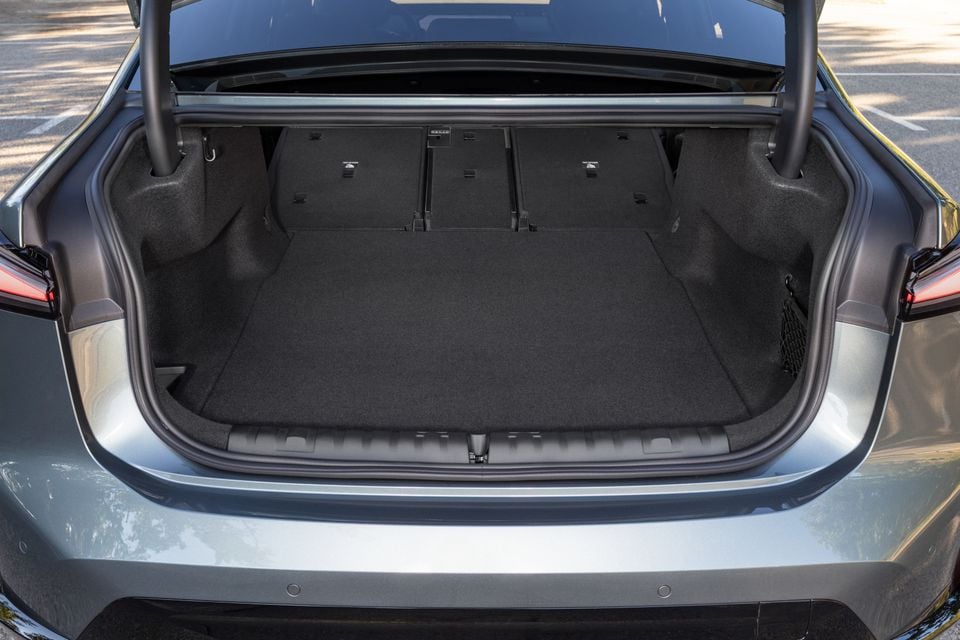
Boot space stands at 420 litres, which is decent enough for a four-door sedan like this.
| Dimensions | BMW i3 50 xDrive |
|---|---|
| Length | 4760mm |
| Width | 1865mm |
| Height | 1480mm |
| Wheelbase | 2897mm |
| Cargo capacity | 420L |
To see how the BMW i3 lines up against the competition, check out our comparison tool
Both i3s are dual-motor models, with the 40 being swift enough for most needs thanks to its 275kW output and 5.4-second claimed 0-100km/h time.
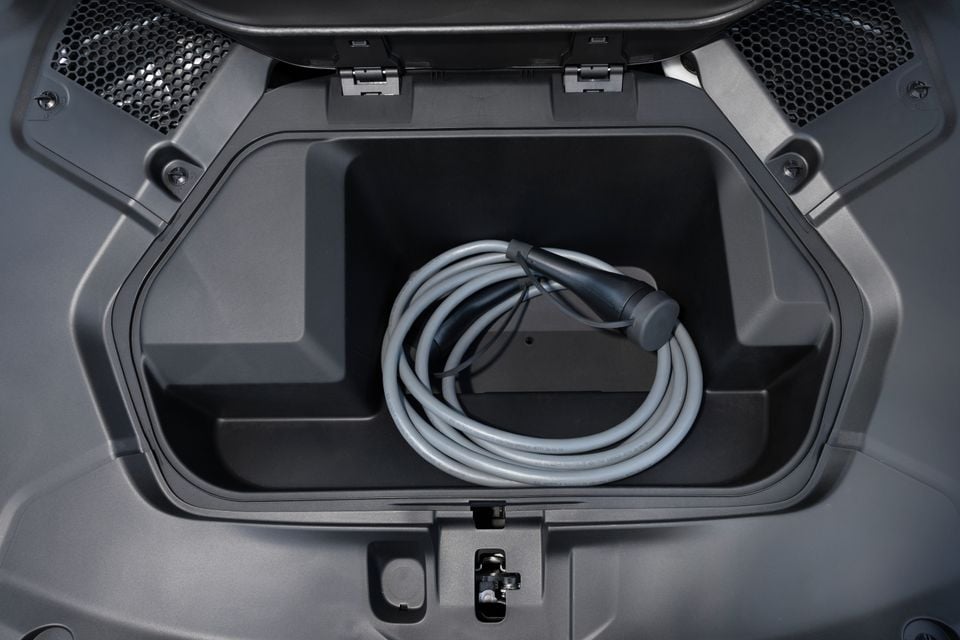
| Specifications | BMW i3 50 xDrive |
|---|---|
| Drivetrain | Dual-motor electric |
| Battery | 108.7kWh nickel manganese cobalt (NMC) |
| Power | 345kW |
| Torque | 645Nm |
| Drive type | All-wheel drive |
| Weight | 2280kg |
| 0-100km/h (claimed) | 4.7 seconds |
| Energy consumption (claimed) | 13.4-18.0kWh/100km |
| Energy consumption (as tested) | 19.3kWh/100km |
| Claimed range | 912km |
| Max AC charge rate | 11kW (22kW optional) |
| Max DC charge rate | 400kW |
However, it has a smaller battery at 82.8kWh, resulting in a 710km maximum range.
That’s fabulous by most EV standards, but this 50 xDrive not only ups the grunt to 345kW, trimming its claimed 0-100km/h sprint time to just 4.7 seconds, it comes with a whopping great 108.7kWh battery pack to boot.
That gives a theoretical maximum range of 912km – making it the longest-legged EV currently on sale.
All BMW i3s have an 800-volt electrical architecture, so the DC charging speeds are fast. The 40 maxes out at 300kW, and the 50 at 400kW, so either way you’re looking at 21 minutes for a 10-80 per cent charge.
To see how the BMW i3 lines up against the competition, check out our comparison tool
We drove a German-registered i3 50 xDrive on passive suspension, and on the same day we drove an M350 xDrive with the more advanced Adaptive M dampers.
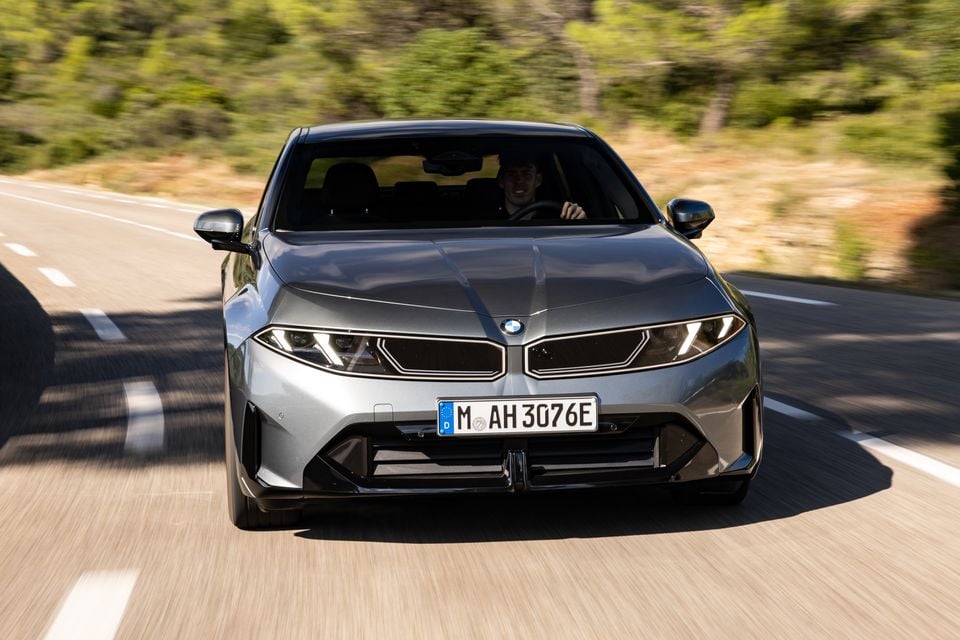
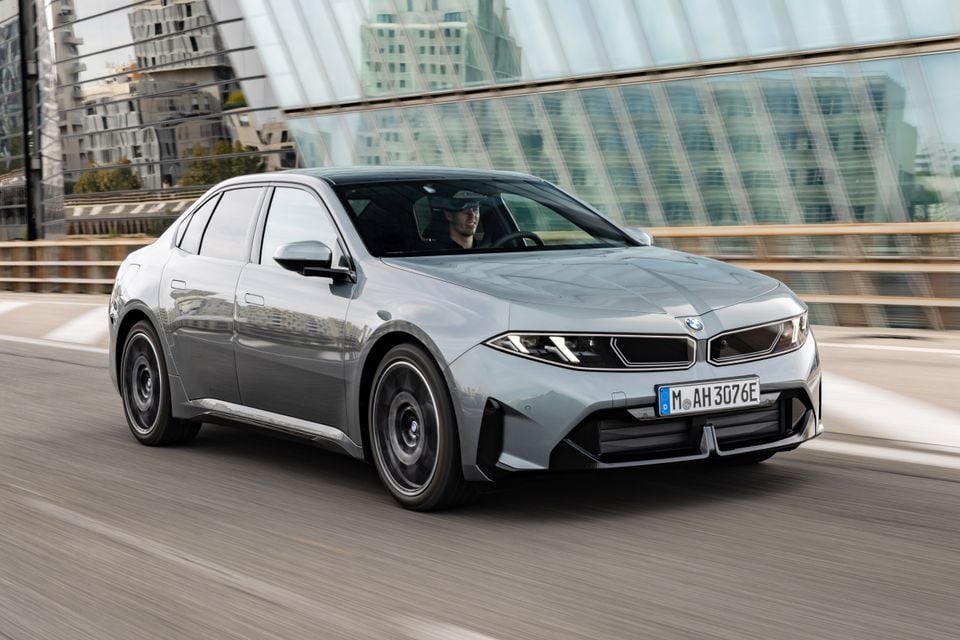
Not to worry, though: over straightforward shocks, the i3 50 xDrive was a masterpiece of ride comfort and rolling refinement.
Even at French motorway speeds of 130km/h, the i3 remains remarkably free from tyre, wind and suspension noise, and its gait is always controlled and delightfully supple.
It doesn’t become crashy and lead-footed at slower speeds, which is a trait we’ve noticed with heavy EVs on big wheels in recent years – again, our test car in France was on uprated 20-inch wheels, but they did not spoil the i3’s composure in and around towns at all.
What you have, then, is an EV which absolutely smashes the side of its design brief that calls for elegant manners at all reasonable road speeds and a sensation of driving something even bigger, grander and more expensive than the i3 already is.
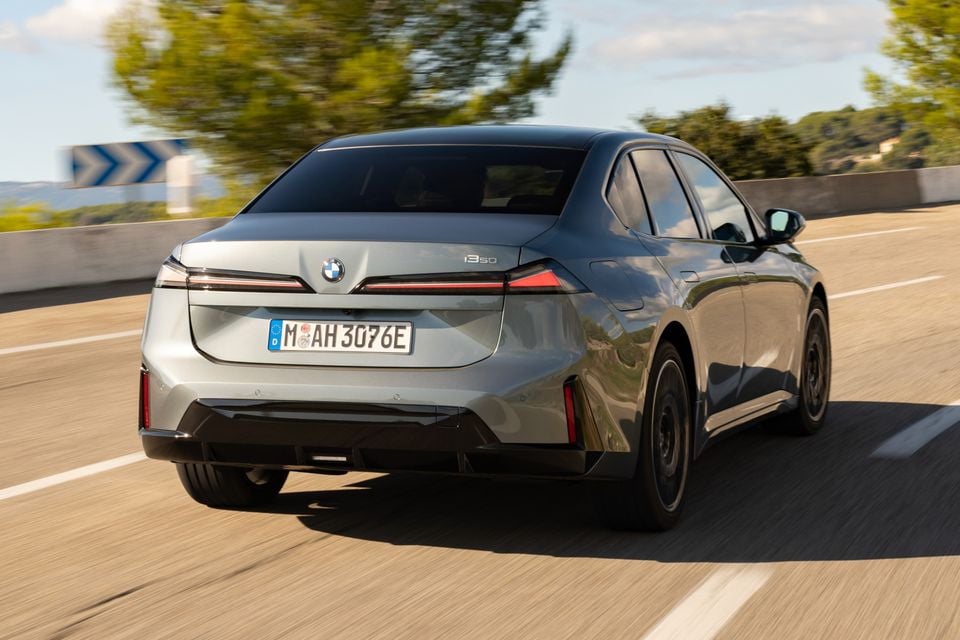
Naturally, this car is wearing the blue-and-white BMW roundel, so while impeccable comfort and refinement is all well and good, the key aspect is whether the i3 is engaging in bends.
We’re happy to report that, yes, it really is. However, we’d temper your enthusiasm by saying that keener drivers among you will still want to go for the petrol-powered M350 instead. Or perhaps wait for the proposed M60 high-performance version of the i3.
But aiding the i3 50 xDrive's dynamism is marvellous steering, which is direct, weighted to near-perfection, and phenomenally responsive.
This, along with the traction advantages of all-wheel drive and the grip afforded by the tyres, gives the BMW an agility at odds with its monster 2280kg kerb weight.
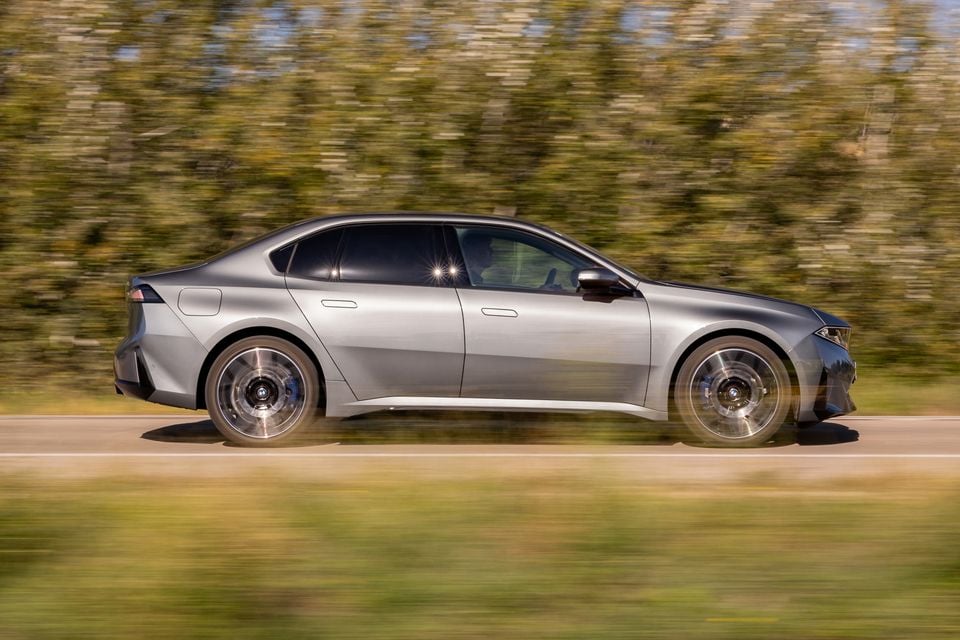
That mass does, ultimately, limit how playful the car is nearer the limit, and the answer is that it will understeer before you feel the tail kicking out.
But for most EV buyers, the incisive, enjoyable and assured way the i3 handles will be deeply satisfying.
It goes without saying that the 645Nm of instant-access torque makes it feel effortlessly quick, both from step-off and rolling speeds. There's no shortage of performance with this i3.
And finally, even its real-world range looks healthy. We thoroughly, and regularly, enjoyed its immense power on some mountainous roads, and yet it returned commendable energy consumption of 19.3kWh/100km across a 175km varied test loop.
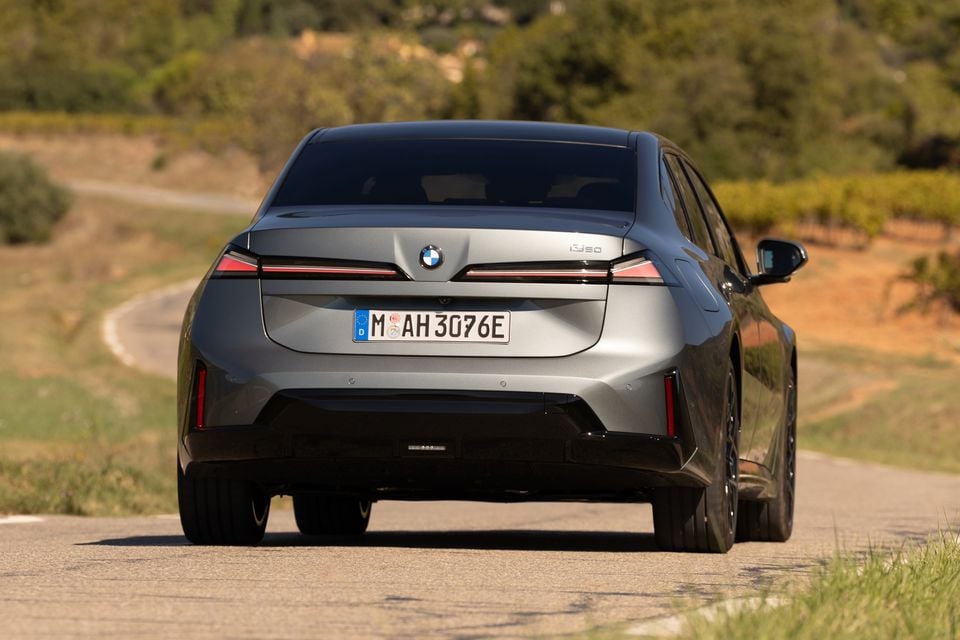
Even driven boisterously, more than 560km would be possible on a single charge. More careful driving would easily boost that to the region of 600-700km, and proper economy-boosting attention to detail from the person behind the wheel, or even lots of urban motoring, could see the dual-motor 345kW i3 get close to that eye-catching 900km-plus claimed maximum.
In short, the i3 is an EV that comprehensively banishes the spectre of range anxiety.
To see how the BMW i3 lines up against the competition, check out our comparison tool
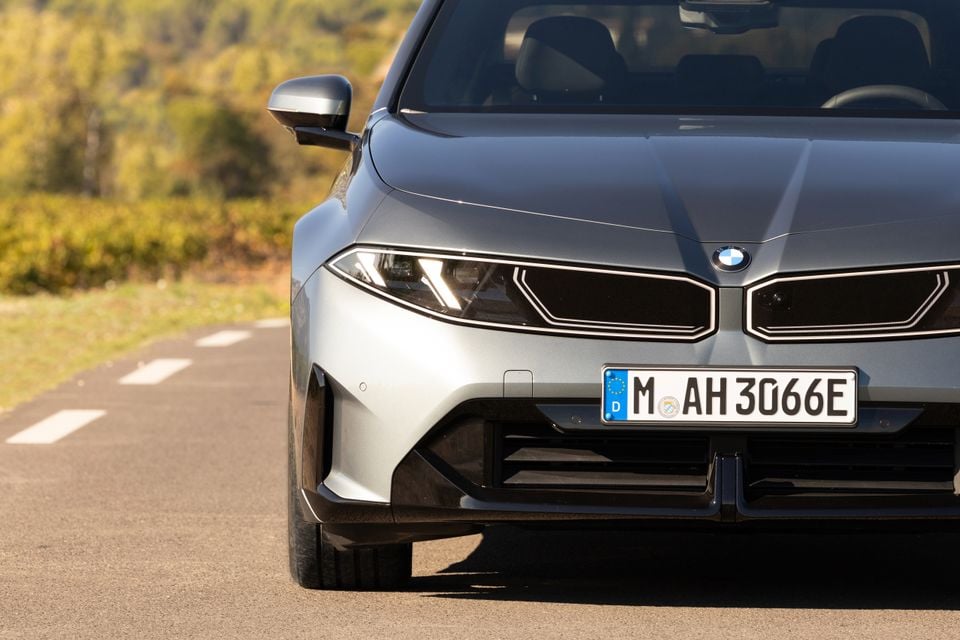
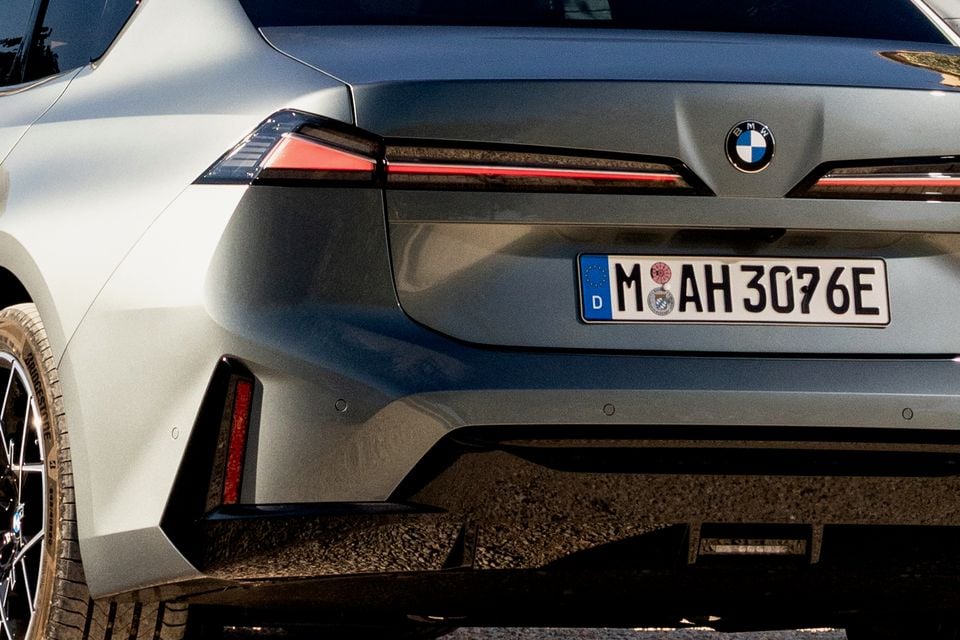
The BMW i3 only comes in M Sport and M Sport Pro specification, the latter adding $4200 to the list price. As standard, even i3 M Sport vehicles come with the following standard equipment, among many more.
2027 BMW i3 equipment highlights:
To see how the BMW i3 lines up against the competition, check out our comparison tool
Although not yet tested by Euro NCAP, the BMW i3 is related to the iX3, which has already garnered a five-star safety rating under the stricter 2026 rules.
An extensive standard advanced driver-assistance system (ADAS) further helps the Beemer’s case in this department.
Standard safety features include:
To see how the BMW i3 lines up against the competition, check out our comparison tool
While BMW Australia offers a five-year, unlimited-distance warranty with all of its cars, the high-voltage battery in EVs like the i3 gain a longer eight-year level of cover, albeit with a mileage cap of 160,000km.
The company also throws in eight years of roadside assistance for its EVs, with no limit to the kilometres here, and Service Inclusive maintenance packages allow you to further manage ongoing running costs of the i3.
To see how the BMW i3 lines up against the competition, check out our comparison tool
BMW did a magnificent job with the old i4, which was one of the best all-round EVs on the market despite being based on a model which was never intended to be an electric machine from the outset.
So now the company has a dedicated EV platform at its disposal, in the form of the NAx baseboard of this car, it's no surprise the i3 achieves a new benchmark.
Just like so many 3 Series models before it, this all-electric sedan immediately becomes the sector-defining EV of its type. It is quite a tremendous piece of kit, all things considered.
CarExpert can save you thousands on a new BMW i3. Click here to get a great deal.
Click the images for the full gallery
MORE: Explore the BMW i3 showroom
Editorial Disclosure
CarExpert attended this event as a guest of BMW.
Add CarExpert as a Preferred Source on Google so your search results prioritise writing by actual experts, not AI.
Matt Robinson
2 Hours Ago

Dave Kavermann
4 Hours Ago

Alborz Fallah
5 Hours Ago

William Stopford
5 Hours Ago

Damion Smy
18 Hours Ago
William Stopford
21 Hours Ago
Add CarExpert as a Preferred Source on Google so your search results prioritise writing by actual experts, not AI.
# Based on VFACTS and EVC data
† Displayed prices exclude on-road costs such as delivery charges, registration fees, number plates, insurance and applicable road taxes. These prices are subject to change without notice and may not reflect current market pricing or dealer offers.
 Automotive Vehicle Spec Data & 4K images Powered by JATO Dynamics Ltd