


Alborz Fallah
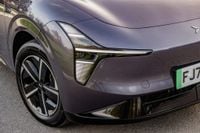
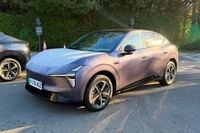
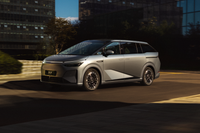
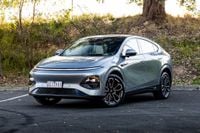
2027 Xpeng L03 review: Quick drive
The L03 brings sharp Australian pricing, generous space, and some personality to the affordable electric SUV market – but its ride still needs work.
37 Minutes Ago
Publisher
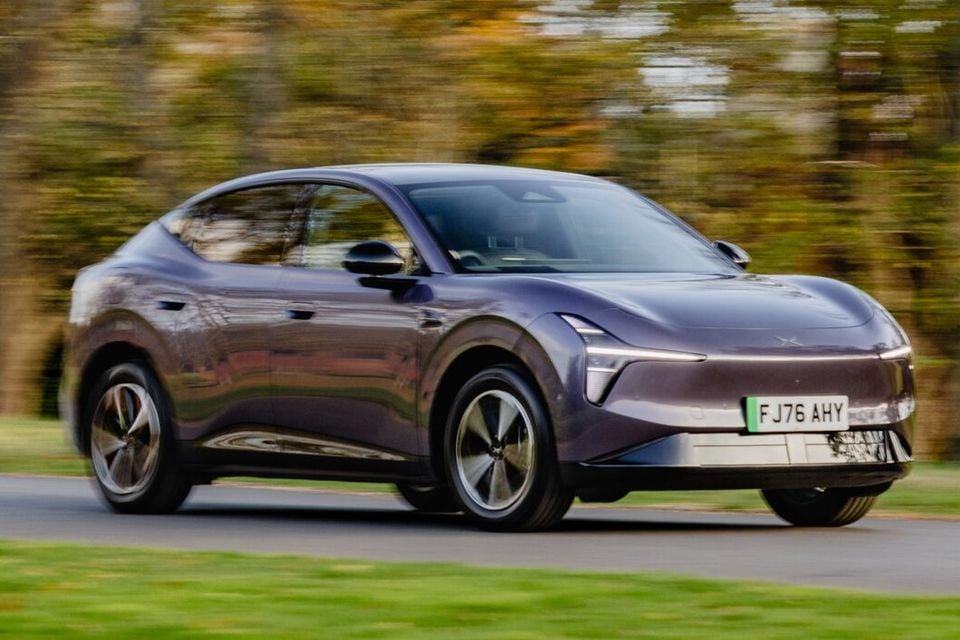
Xpeng is adding a petrol engine to its Australian range to reach buyers who want electric motoring but remain concerned about driving range and access to charging.
Its first extended-range electric vehicle (EREV) Down Under, the L03 PowerX Long Range, will start at $41,900 before on-road costs, matching the price of the electric L03 RWD Standard Range.
The PowerX will be available from the L03’s Australian launch in December, alongside all three battery-electric variants.
Explaining the thinking behind the PowerX at a London workshop attended by CarExpert, Xpeng Europe product marketing manager Giovanni Grimaldi said customer research had identified concerns about both range and where to recharge.
“The next one is that they are not fully ready to switch to EV because maybe they don't know where to recharge the car,” Mr Grimaldi said.
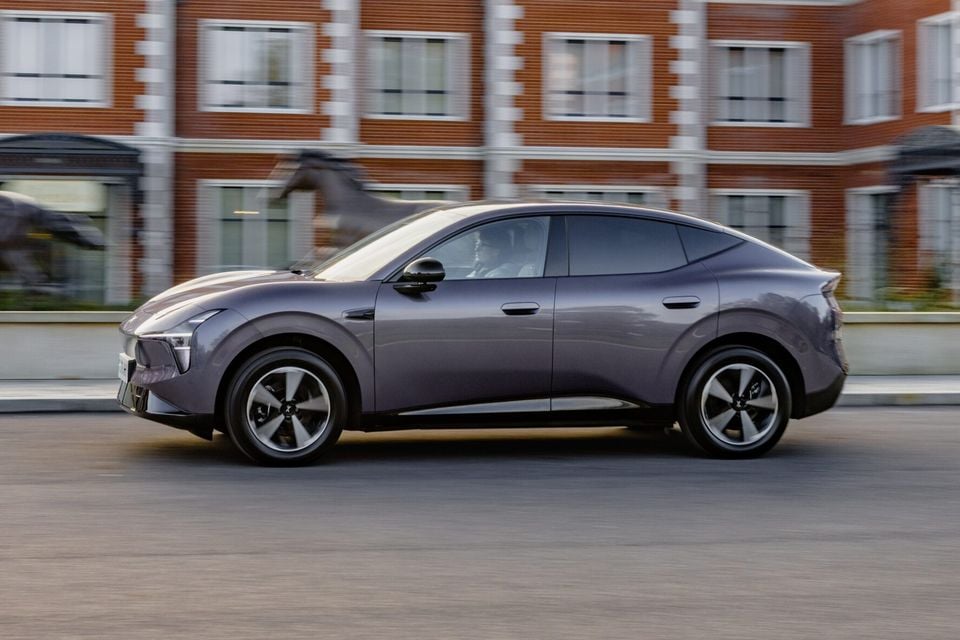
The answer is a vehicle that can run on battery power for everyday trips, then use an onboard petrol generator to keep going when additional energy is needed.
In the L03 PowerX, a 1.5-litre naturally aspirated four-cylinder petrol engine generates electricity. A separate 178kW/280Nm electric motor drives the rear wheels, with no mechanical connection between the engine and the wheels.
“So here you still have the feeling that you are driving electric,” Mr Grimaldi said.
This is a series plug-in hybrid layout, often called an extended-range electric vehicle (EREV). The petrol engine’s job is to produce electricity, while the electric motor provides propulsion. The battery can also be charged from an external power supply.
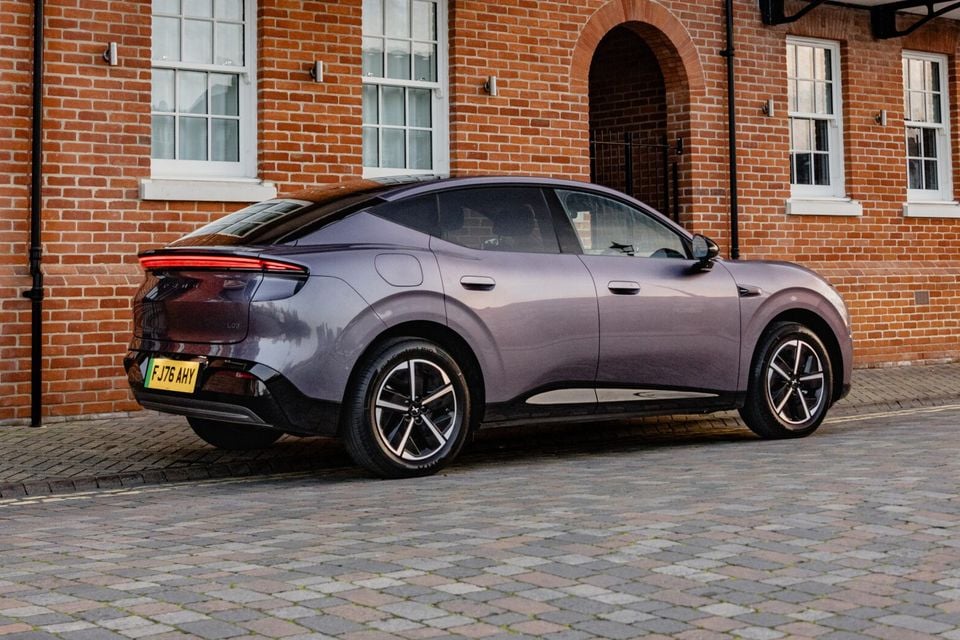
Xpeng’s Australian specification lists a 37.2kWh (gross) lithium iron phosphate (LFP) battery and a claimed 215km of electric-only range under the WLTP test cycle. With its 42-litre petrol tank also in use, claimed combined range rises to 1017km.
That gives buyers two quite different options at the same starting price. The electric Standard Range has a larger battery and longer electric range, while PowerX adds the ability to refuel with petrol.
| L03 RWD Standard Range | L03 PowerX Long Range | |
|---|---|---|
| Price before on-road costs | $41,900 | $41,900 |
| Battery capacity (gross) | 58.3kWh | 37.2kWh |
| Electric range (WLTP) | 445km | 215km |
| Electric motor output | 163kW / 280Nm | 178kW / 280Nm |
| 0-100km/h (claimed) | 7.5 seconds | 6.8 seconds |
| Maximum AC charging | 11kW | 6.6kW |
| Maximum DC charging | 193kW | 123kW |
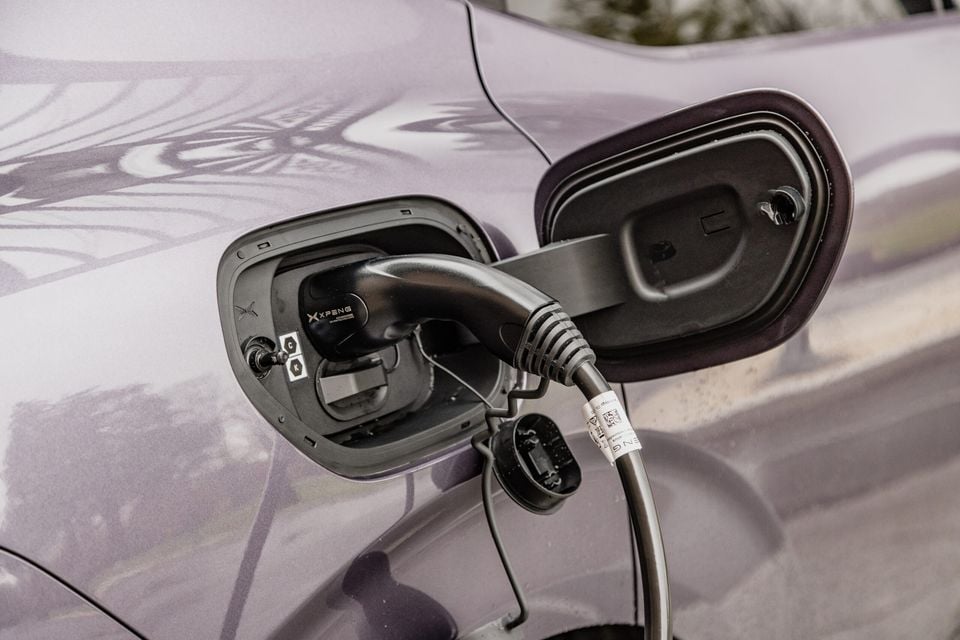
The range extender still supports DC fast charging, with Xpeng quoting a 10 to 80 per cent recharge in 20 minutes. That is the same claimed time as the electric versions, which have larger batteries and higher peak charging limits.
On AC power, the Australian figures put a five to 100 per cent charge at 6.5 hours using a 6.6kW supply. It also retains the electric versions’ 6kW vehicle-to-load capability and 1500kg braked towing capacity.
Its fuel consumption figures also need some explanation, particularly for buyers planning to rely on the petrol generator for longer trips.
Xpeng quotes weighted WLTP fuel consumption of 1.1L/100km. That test result combines operation using battery energy with operation in charge-sustaining mode, weighted to reflect the expected share of driving between charges.
Its separate charge-sustaining claim is 5.5L/100km. That is the more relevant figure for driving with the petrol generator maintaining battery charge after the available electric-only range has been used.
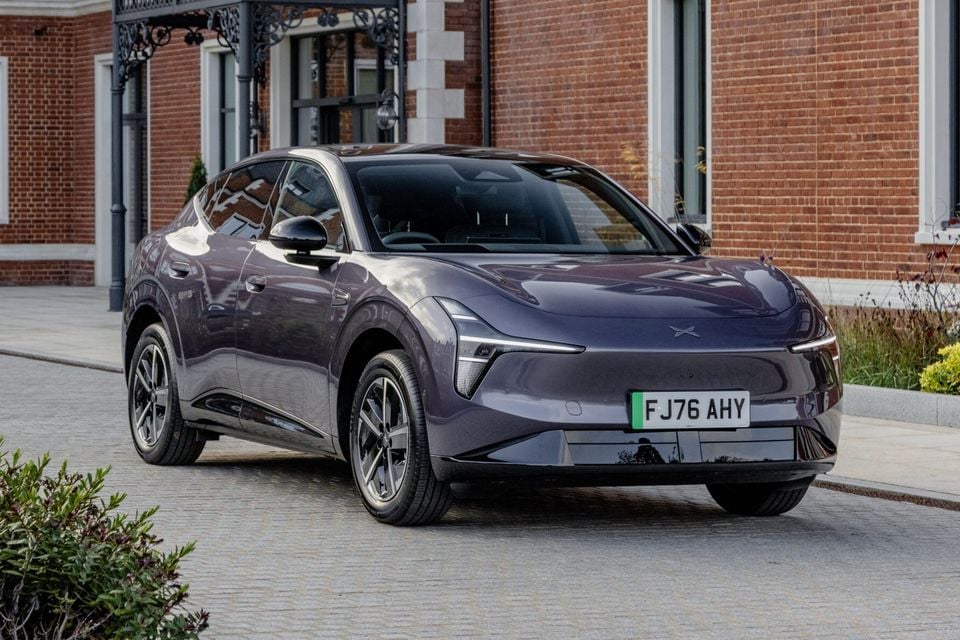
Actual petrol use will therefore depend heavily on how often an owner plugs in and how far they travel between charges.
For a household able to recharge regularly, the PowerX offers the possibility of covering everyday trips on stored electricity and using petrol for longer journeys.
“So basically, as a summary here, we don't want to basically move away from the electric mobility,” Mr Grimaldi said.
MORE: Everything Xpeng L03
Research cars in our Showroom, compare your options or let our New Car Specialists do the running around to find you a great deal.
Alborz Fallah is a CarExpert co-founder and industry leader shaping digital automotive media with a unique mix of tech and car expertise.
Alborz Fallah
37 Minutes Ago
Alborz Fallah
37 Minutes Ago

James Wong
4 Days Ago

Josh Nevett
9 Days Ago

Tace Clifford
10 Days Ago

Damion Smy
14 Days Ago
Add CarExpert as a Preferred Source on Google so your search results prioritise writing by actual experts, not AI.