


Alborz Fallah
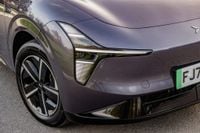
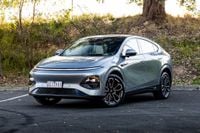
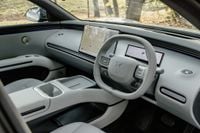
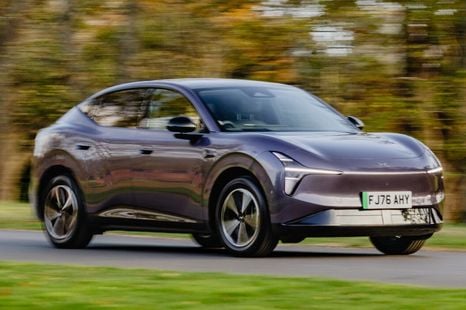
2027 Xpeng L03 review: Quick drive
The L03 brings sharp Australian pricing, generous space, and some personality to the affordable electric SUV market – but its ride still needs work.
42 Minutes Ago
Publisher
Xpeng says its Chinese customers now use its NGP driver-assistance system for more than half the distance they drive, as the brand targets an Australian launch for its Tesla Full Self-Driving rival in 2027.
Company vice-chairman and president Brian Gu made the claim at Xpeng’s UK launch event, attended by CarExpert, where the company detailed the technology planned for its next stage of overseas expansion.
“One matrix very important to see is that if you look at the total miles driven by our customers today in China, more than 50 per cent is already using our NGP in their daily driving,” Mr Gu said.
Mr Gu didn't specify the measurement period or whether the calculation covered the entire Chinese fleet or only vehicles equipped with NGP.
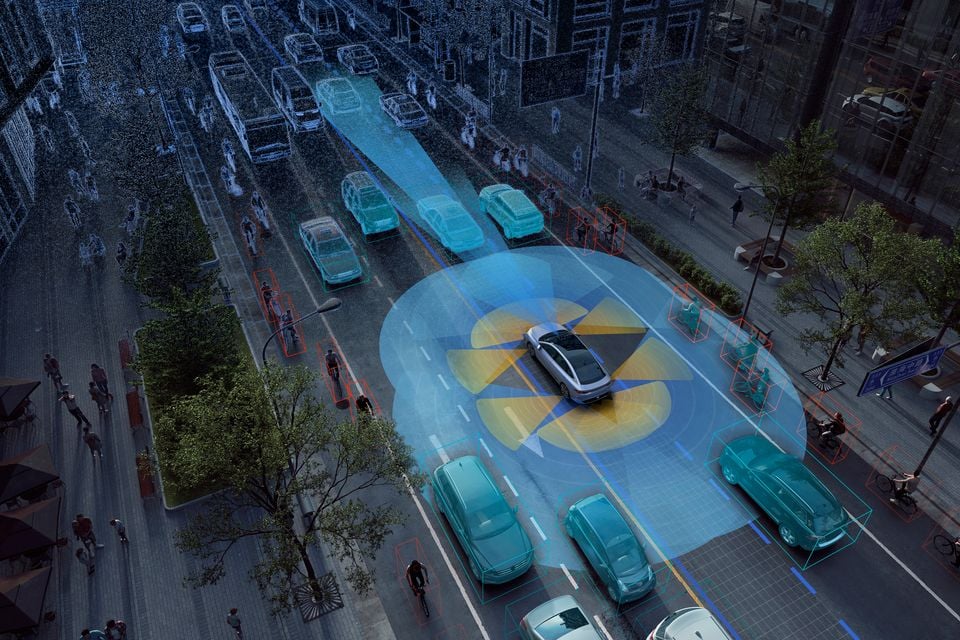
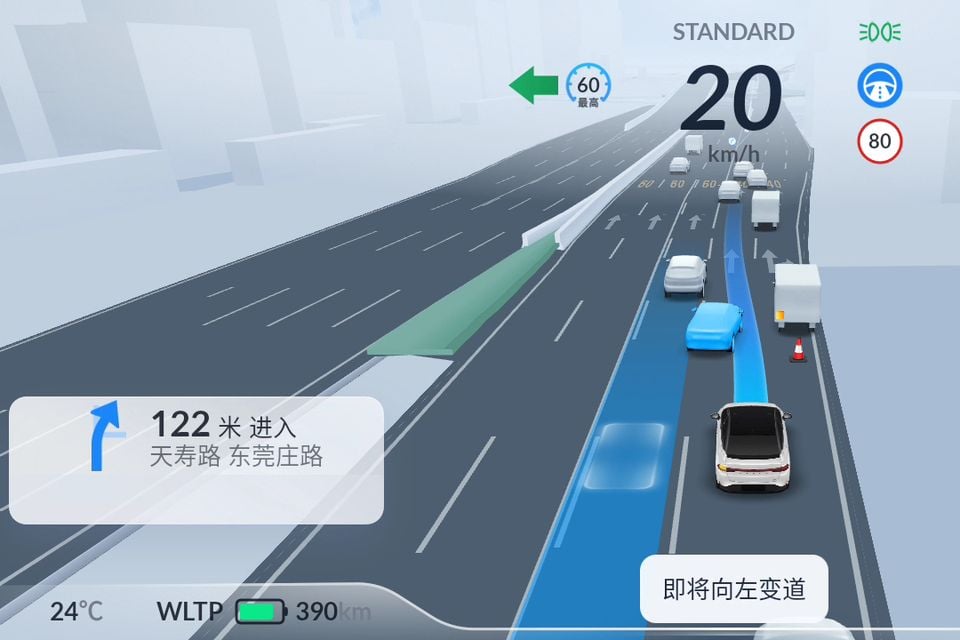
NGP remains a driver-supervised assistance system, with Xpeng Europe product marketing manager Giovanni Grimaldi stressing the driver must stay at the controls and be ready to intervene.
“So it's not full autonomous driving,” Mr Grimaldi said.
Tesla similarly states that Full Self-Driving (Supervised) requires an attentive driver ready to take over and doesn't make the vehicle autonomous. These systems are typically referred to as Level 2+ autonomous driving systems.
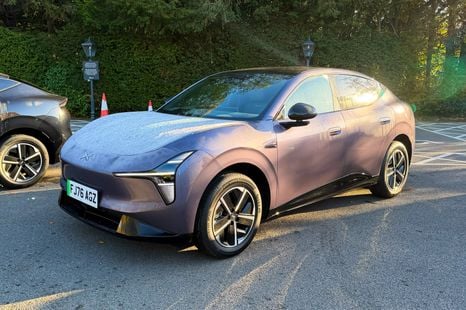
The immediate Australian question is which cars will support NGP. The incoming L03 AWD Performance Ultra, priced from $53,900 before on-road costs, has the required hardware and is due in dealerships in December 2026.
Its local specification lists two Turing chips. Xpeng rates each at 750 trillion operations per second (TOPS), giving the pair a claimed 1500 TOPS of computing capacity – a hardware specification, rather than a measure of how safely or competently the car drives.
The other three Australian L03 variants don't have the same Turing hardware.
Xpeng Australia is still targeting 2027 for customer access to NGP, delivered through an over-the-air update. Buying the Ultra in December therefore secures the hardware ahead of the expected software activation.
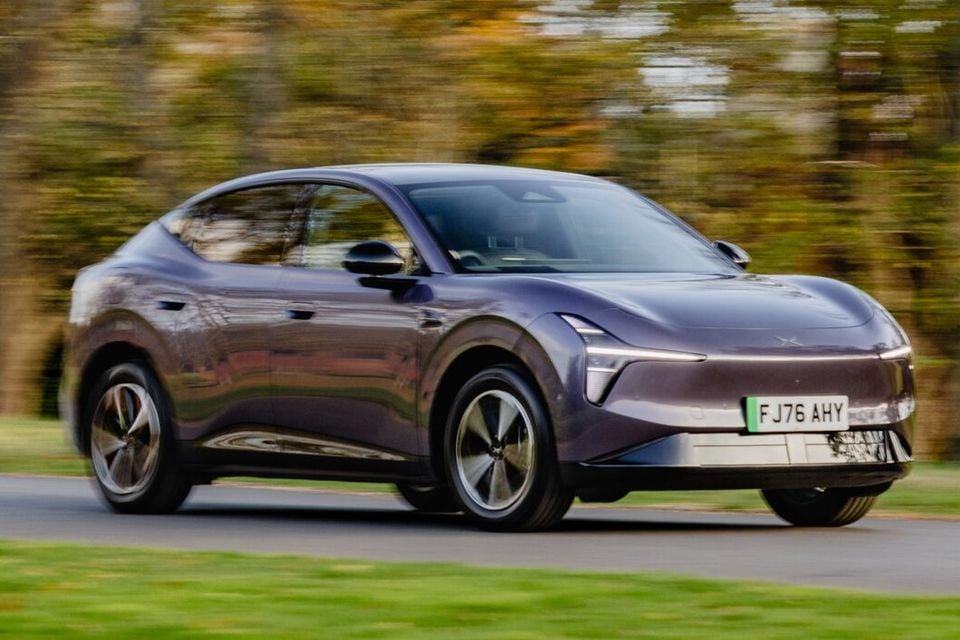
The Chinese brand has already been testing and calibrating its assistance technology on Australian roads.
The company says the VLA 2.0 model behind NGP uses camera information without relying on LiDAR or high-definition maps, and is designed to interpret how a traffic situation develops over time.
According to Mr Grimaldi, the model can use up to 30 seconds of recent visual information and predict possible developments over the next six seconds. One demonstration showed the system waiting for a vehicle to finish a multi-point U-turn, anticipating that it might reverse.
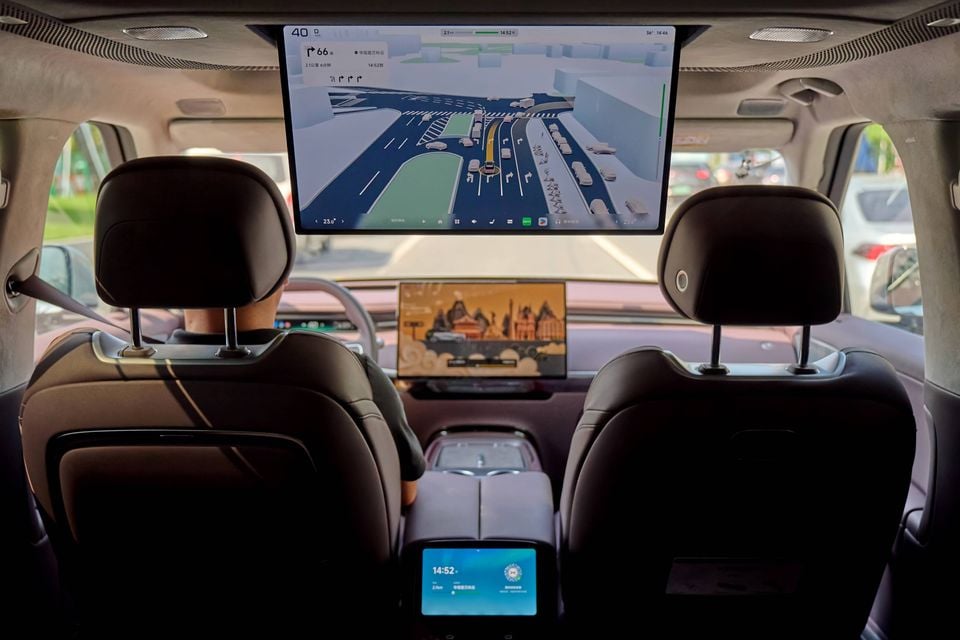
Xpeng says it also uses simulated scenarios during development, including different weather and lighting conditions.
Mr Gu separately outlined plans for the YOYO robotaxi, including overseas pilots in 2027. That program aims to offer Level 4 autonomous driving, in which the system performs the driving task within defined operating conditions without an occupant supervising.
No Australian YOYO launch has been announced.
Research cars in our Showroom, compare your options or let our New Car Specialists do the running around to find you a great deal.
Alborz Fallah is a CarExpert co-founder and industry leader shaping digital automotive media with a unique mix of tech and car expertise.
Alborz Fallah
42 Minutes Ago
Alborz Fallah
42 Minutes Ago
Alborz Fallah
42 Minutes Ago
Alborz Fallah
42 Minutes Ago

Derek Fung
2 Hours Ago

Damion Smy
4 Hours Ago
Add CarExpert as a Preferred Source on Google so your search results prioritise writing by actual experts, not AI.