
William Stopford
Chinese brand says rivals are bringing cars to Australia to clear excess volume
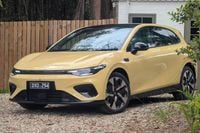
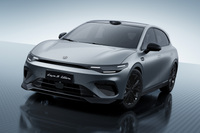
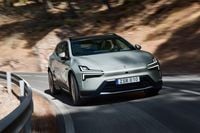
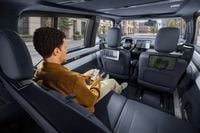
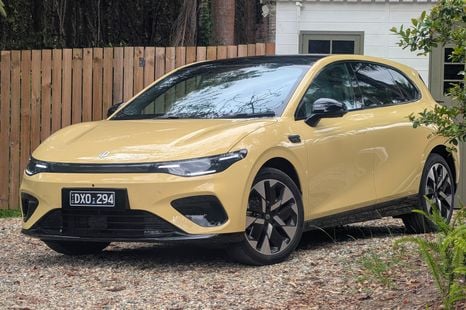
Leapmotor says Australian buyers are clever enough to spot when rival brands are simply trying to offload excess supply in our market.
37 Minutes Ago
The EU is still figuring out how much to soften its new-vehicle emissions target for 2035, but the bloc is slowly moving towards an agreement.

Journalist
Journalist
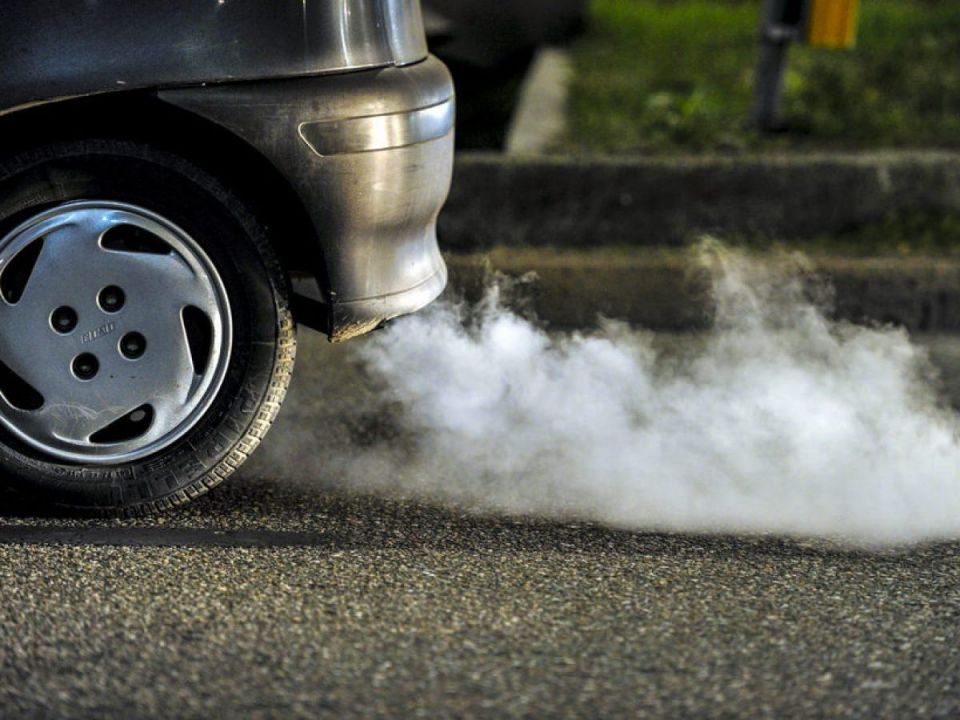
The European Union wants to unwind its 2035 ban on the sale new cars with internal combustion engines, and the Continent's various players are coming closer to a consensus on how to do it.
According to a document seen by Bloomberg last week, voting blocs from the centre-right to the centre-left that account for 55 per cent of the European Parliament have agreed to a deal that will require automakers to reduce CO2 emissions from new cars by 87.5 per cent by 2035.
A further 7.5 per cent of new vehicle emissions would be offset by purchases of 'green steel'.
For new rules and amendments to existing rules to take effect, the European Parliament, European Commission, and European Council have to be in agreement. Once that's complete, legislation must be passed by each member state.

Parliament's stance differs from that of the European Commission, which resolved in December 2025 to change its 2035 emissions reduction target to 90 per cent, with CO2 output from new ICE vehicles offset by the use of synthetic fuels and green steel production.
The currently proposed rules require a 100 per cent reduction in CO2 emissions by 2035, effectively banning the sale of new cars with petrol, diesel, hybrid or plug-in hybrid drivetrains.
The Commission was pressured by automakers, and some member states, into reducing the CO2 reduction target due to slower-than-expected adoption of electric vehicles (EVs), stiff competition from Chinese manufacturers, and the high costs involved in developing new EV architectures.

This week the president of France, Emmanuel Macron, and the chancellor of Germany, Friedrich Merz, also agreed to a common stance on the issue.
In accordance with Germany's wishes, they are proposing amended rules which force automakers to reduce new-car CO2 emissions by 90 per cent by 2035 with no further offsets required.
As part of their quid pro quo, Germany has agreed to push for made-in-Europe public procurement rules. For vehicles purchased by government agencies, 10 per cent of their high-voltage batteries would need to come from European sources, and 70 per cent of their other components would need to be made in Europe.
It remains to be seen what the various arms of the EU, and its largest member states, agree to regarding the bloc's 2035 new-vehicle emissions target.
Derek Fung would love to tell you about his multiple degrees, but he's too busy writing up some news right now. In his spare time Derek loves chasing automotive rabbits down the hole. Based in New York, New York, Derek loves to travel and is very much a window not an aisle person.
William Stopford
37 Minutes Ago
William Stopford
2 Hours Ago

James Wong
13 Hours Ago

Alborz Fallah
21 Hours Ago

Damion Smy
23 Hours Ago
William Stopford
23 Hours Ago
Add CarExpert as a Preferred Source on Google so your search results prioritise writing by actual experts, not AI.