
Ben Zachariah
2027 Hyundai Staria Load Electric review: Quick drive
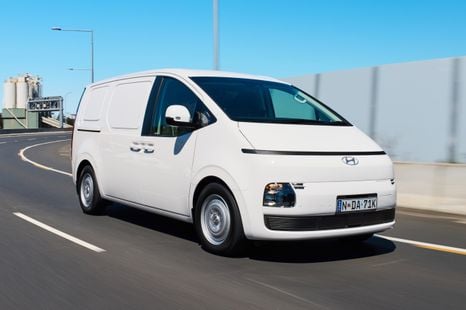
Hyundai has added an electric offering to its Staria Load lineup, but the electric commercial van is hiding some secrets underneath.
17 Minutes Ago
The group representing new-car dealers in Australia wants a pause on new brands to our market, and for existing brands to give its members relief.

Senior Editor – News

Senior Editor – News
The peak body representing new-car dealers in Australia is calling for the federal government to pause the entry of any new auto brands seeking to enter the Australian market, arguing its members are being battered by a flood of predominantly Chinese brands.
The pause on new car brands is one of 10 recommendations made by the Australian Automotive Dealer Association (AADA) as it warns the new-car retail industry has reached a “crisis point” with “no end in sight”.
This follows a third-quarter 2026 result which saw the industry’s first negative quarterly profitability figure since the fourth quarter of 2008 – during the thick of the Global Financial Crisis.
According to Lee Peters, the managing partner of Deloitte Motor Industry Services, the average net profit for new-car dealers in the quarter was -0.2 per cent, while fixed costs have risen by more than 50 per cent over 10 years and by over 30 per cent since the start of COVID.
“Australians benefit from choice and competition, but manufacturers’ growth ambitions must reflect what this market can support,” said AADA CEO James Voortman in a press release.
“Pushing excessive stock onto dealers is fuelling a race to the bottom. Aggressive discounting erodes margins and devalues vehicles while dealers carry the financing costs and risk of unsold vehicles.
“This is a clear warning that the commercial settings underpinning our industry are becoming unsustainable. The sheer number of brands arriving in Australia at a rapid pace is having profound consequences for Australian consumers and businesses alike.
“There are simply too many manufacturers operating in this market and we need a pause on further car brands entering this market. At a time when other countries are trying to slow the rate of change and number of brands, Australia is allowing unfettered access to this market.”
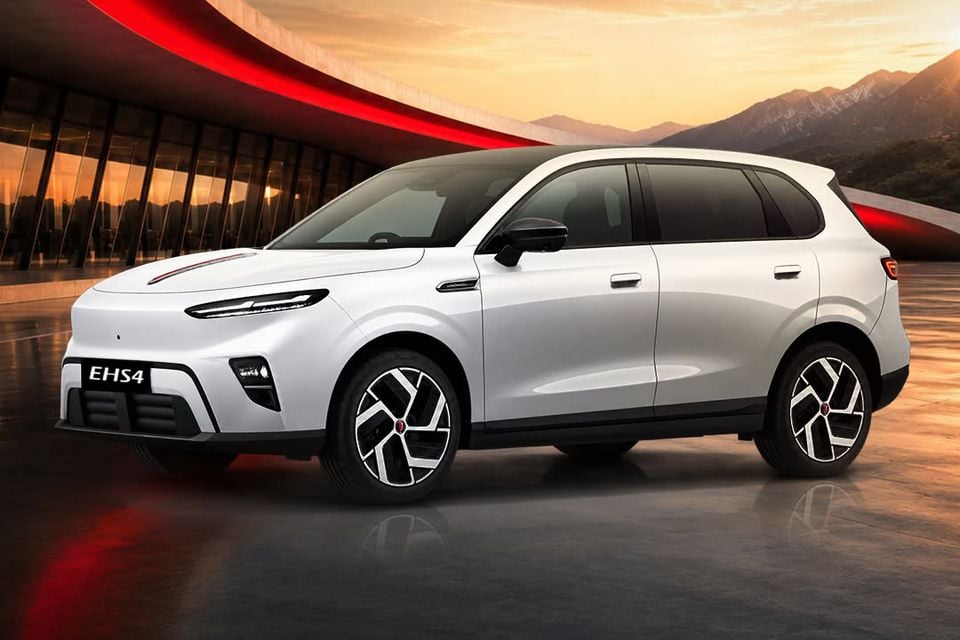
By CarExpert's count, there are 66 brands currently selling new passenger cars, SUVs and light commercial vehicles in Australia, compared to 50 in 2021. Of the brands that have arrived here since then, only four – Cadillac, Cupra, GMC and Ineos – are not Chinese brands.
Australia is seen by Chinese automakers in particular as an increasingly important market – even if it's far from being one of the world's largest – as demonstrating success here amid a glut of competition can burnish a brand's reputation.
More and more Chinese automakers are entering Australia, crowding the market.
AADA-commissioned analysis from Blue Flag identifies Australia as having 54 brands per one million annual sales, compared to 19.8 brands in the UK, 18.9 in Canada and 16.4 in Germany.
Australian new-vehicle sales have grown since the beginning of the decade, reaching a record 1,241,037 units last year, up a mere 0.3 per cent on the year before.
To the end of October, they’re up 2.5 per cent on the first 10 months of 2025, which could mean another record year.
However, the growth of the number of brands is outpacing the overall growth in new-vehicle sales.
A total of 1,049,831 vehicles were reported as delivered in 2021, excluding brands such as BYD, Mahindra and Tesla; even if sales remain flat this year, that's a market that will have grown by less than 200,000 vehicles but which will have gained 16 brands.

The contrast could be even more stark in 2027, particularly if economic headwinds dampen consumer confidence and therefore depress demand for new vehicles.
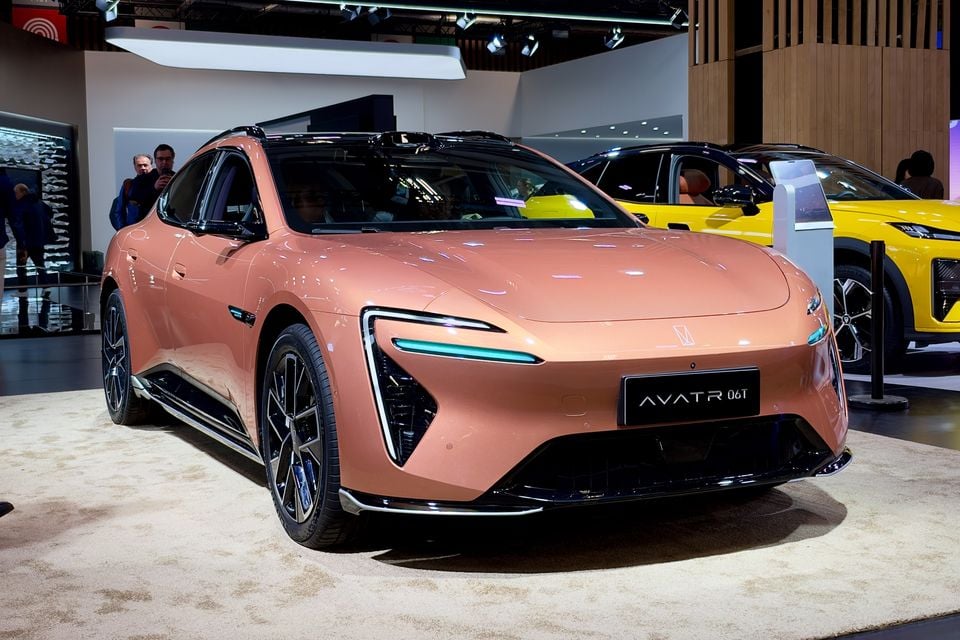
And between now and the end of 2027, several Chinese brands – Avatr, Hongqi, JMC, Nevo and Rox Motor – plan to launch in Australia.
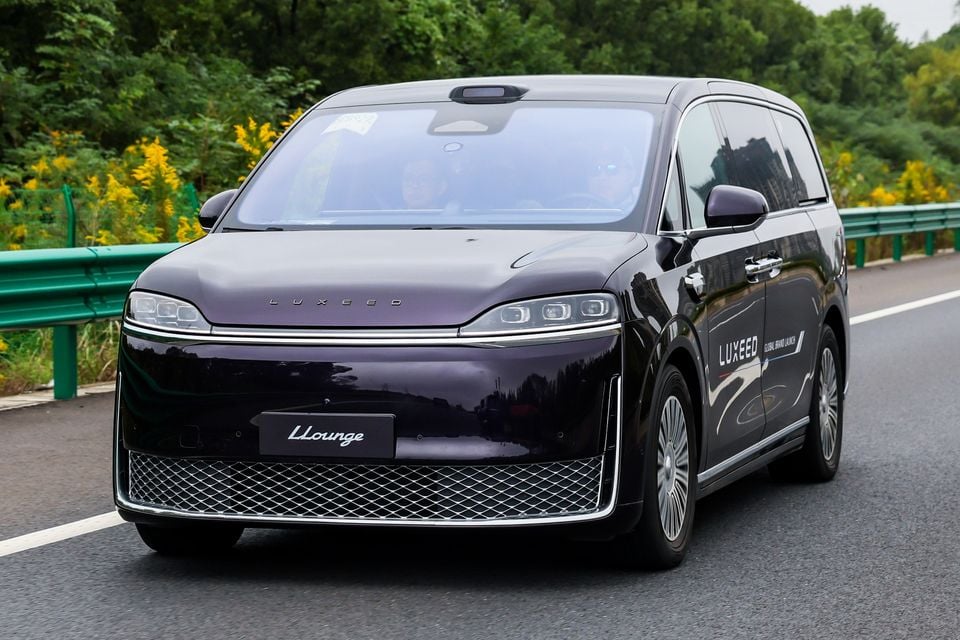
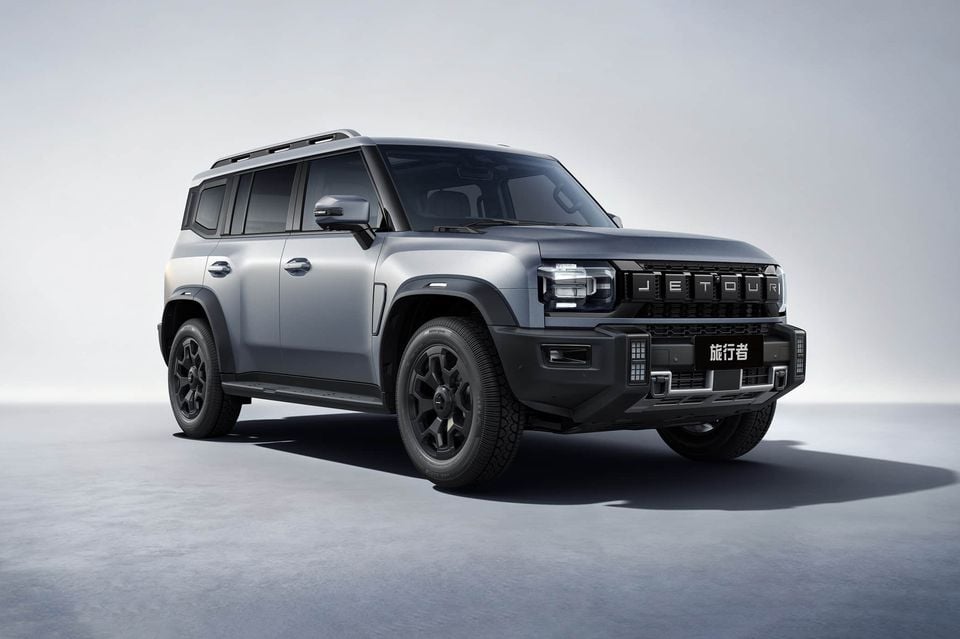
As many brands from China’s Chery alone are also arriving here, with the automaker introducing Exlantix, Freelander, iCaur, Jetour, and Luxeed, most or all of which will be sold through different dealer networks.
These new arrivals will bring the tally up to almost 80 brands by 2028, and the AADA says dealers are struggling to keep up.
“Strong headline vehicle sales can conceal serious financial distress at the businesses making those sales. Dealers cannot keep absorbing higher costs, lower margins and greater stock risk indefinitely," said Mr Voortman.
“Dealers are facing intense competition, relentless pressure to take more stock and rising business costs.
"Too often, they are left to absorb the financial consequences of decisions made elsewhere in the supply chain."
The AADA warns that not only are dealers getting short shrift, but this influx of brands is resulting in rapidly declining resale values, lags in parts supply, and longer repair times.
In addition to calling for a pause on the entry of further brands to the Australian market, the AADA wants previously announced Unfair Trading Practices protections to be fast-tracked; Australian Consumer Law to be reformed to improve clarity for consumers; and for barriers to be removed so that smaller and family-owned dealerships can more easily restructure.
The peak industry body is also calling for dealer councils to be established, with whom automakers should set "realistic" sales targets. It wants automakers to provide relief for excess inventory, including assistance with aged stock, and to compensate dealers promptly if they cut prices.
The AADA also wants a pause on "non-essential capital demands", arguing automakers should defer requirements for showroom upgrades, corporate identity changes, and "discretionary" investment requirements.
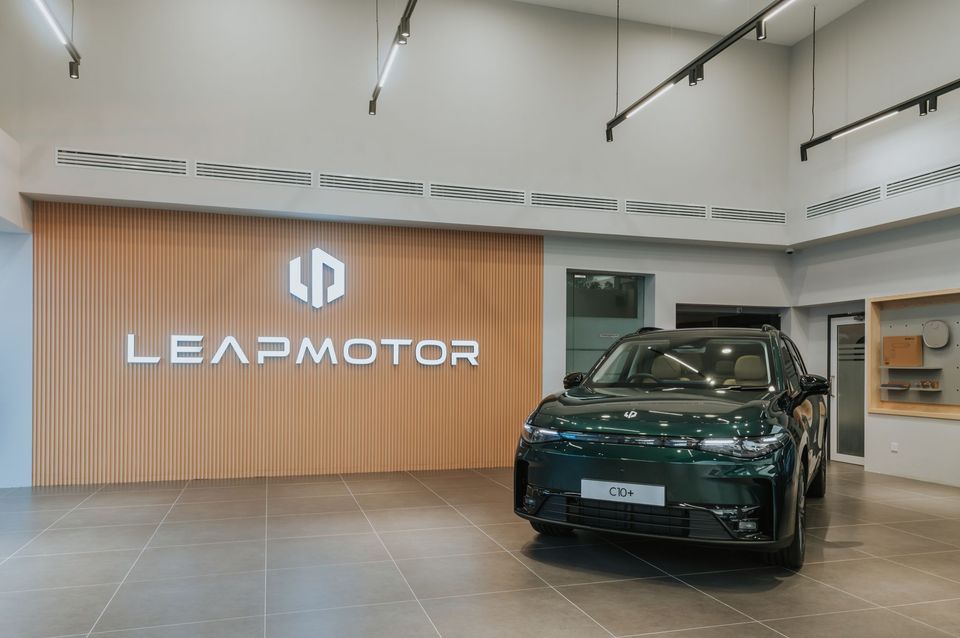
The boss of one of the latest Chinese brands to arrive in Australia, Leapmotor, has argued some brands – without naming names – are introducing models here simply because there's excess volume somewhere else in the world.
MORE: One brand versus many: Which Chinese automaker’s strategy makes the most sense for Australia?
William Stopford is an automotive journalist with a passion for mainstream cars, automotive history and overseas auto markets.
Ben Zachariah
17 Minutes Ago

Damion Smy
2 Hours Ago
Damion Smy
2 Hours Ago
Damion Smy
4 Hours Ago

Max Davies
5 Hours Ago
William Stopford
5 Hours Ago
Add CarExpert as a Preferred Source on Google so your search results prioritise writing by actual experts, not AI.