
Anthony Crawford
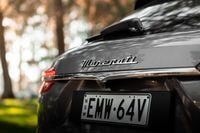
Maserati Grecale Trofeo: The Art of Italian performance, design and racing heritage – reimagined
SPONSORED: Why the Maserati Grecale Trofeo is much more than just a high-performance mid-size Italian luxury SUV.
32 Minutes Ago
The rear-drive platform under Cadillac's fire-breathing V8 sedan was a joint effort with Holden - and its suspension geometry has barely changed since.

Founder

Founder
Holden may have stopped building cars in Australia almost a decade ago, but a piece of it lives on in one of the best performance sedans you can buy in the US.
Speaking to CarExpert at a recent General Motors event in New York, Cadillac vehicle performance engineer Tom Schinderle said the Alpha rear-wheel drive platform underpinning Cadillac's sedans was developed alongside Holden.
"The Alpha chassis itself, right? That was a true collaboration effort between Holden and North America, and that set the basis for the following generation, and then where we are today," Schinderle said.
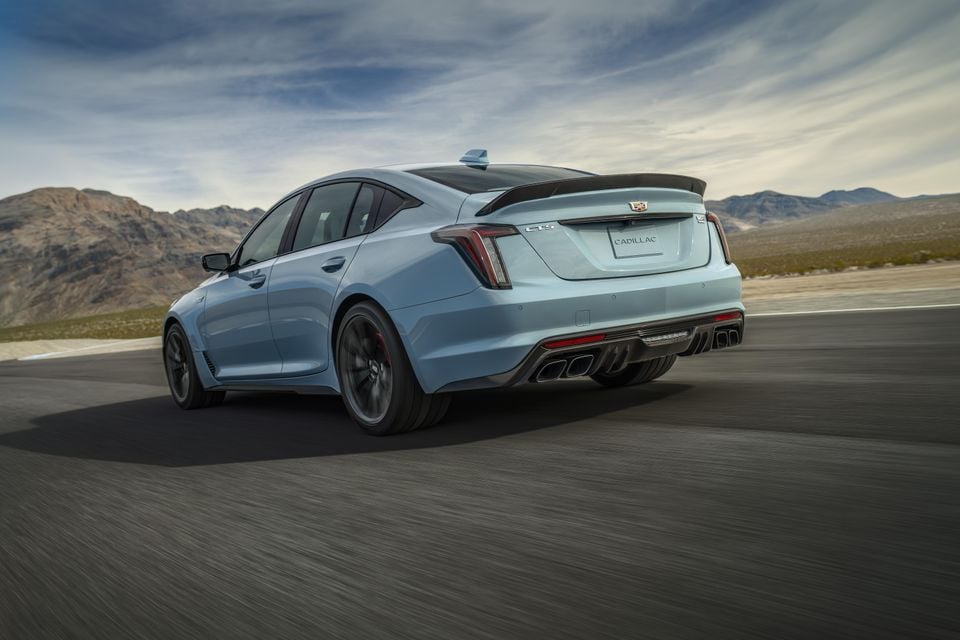
Today's Cadillac CT5-V Blackwing rides on an evolution of that architecture, and according to Mr Schinderle, the bones are much the same as they were when it first launched.
"We've made a lot of suspension changes from a tuning standpoint, but the overall geometry is very similar to what it was back then. We've made tweaks here and there, and I'm continuing to make tweaks as we're working on the car," he said.
A good example is the Precision Package, offered on the facelifted CT5-V Blackwing. It brings stiffer springs and anti-roll bars, revised bushings, new steering knuckles and rear toe links, carbon-ceramic brakes, and Michelin Pilot Sport Cup 2 R tyres.
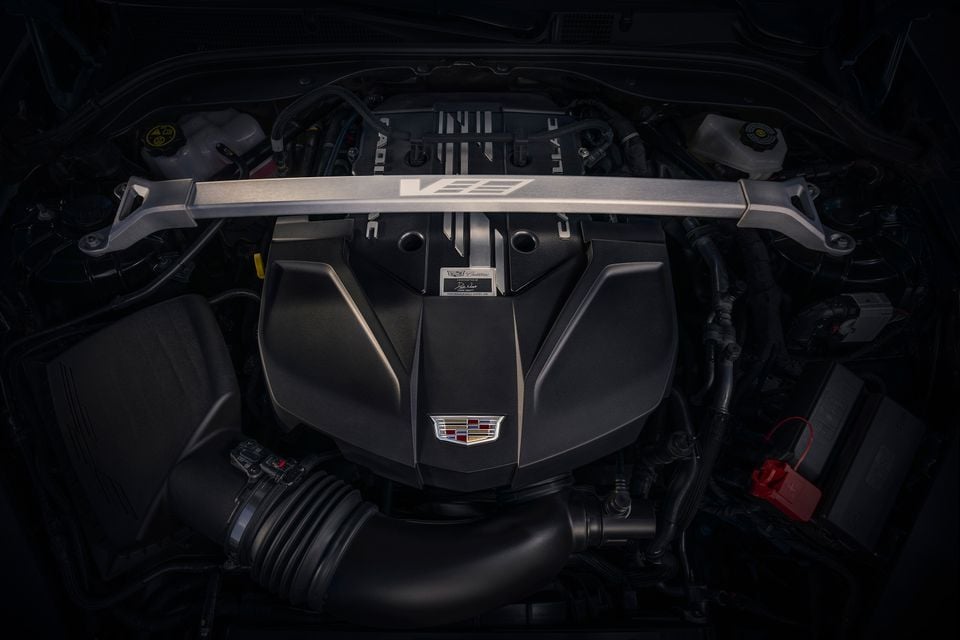
"It's got different bushings, different stabiliser bars, different springs, but the geometry is mostly the same," Schinderle said.
"We're able to just continue to make the car slightly better, slightly better every time we touch it."
Mr Schinderle said the Holden-era collaboration was slightly before his time. He started out in structure and chassis design and release engineering before moving to performance, by which point GM was more focused on North American product.
But the Australian link to Alpha ran deeper than many realise. Holden's powertrain calibration team was spotted testing a Cadillac ATS-V – another Alpha car – on Australian roads in 2016, and even after local manufacturing ended the team continued work.
HSV also sold a right-hand drive conversion of the Alpha-based sixth-generation Chevrolet Camaro here, which ended up being the only vehicle offered here on this platform.
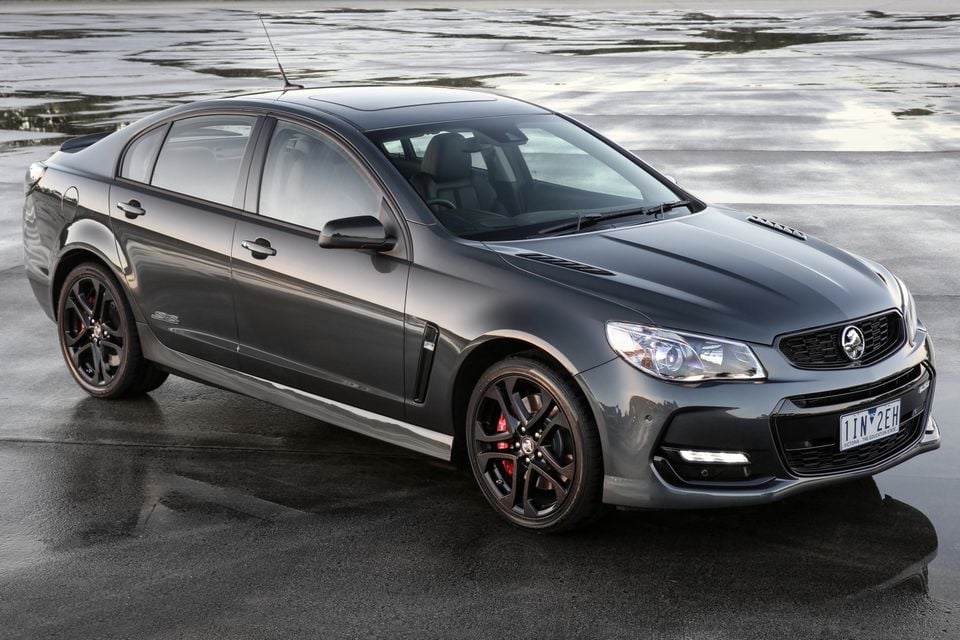
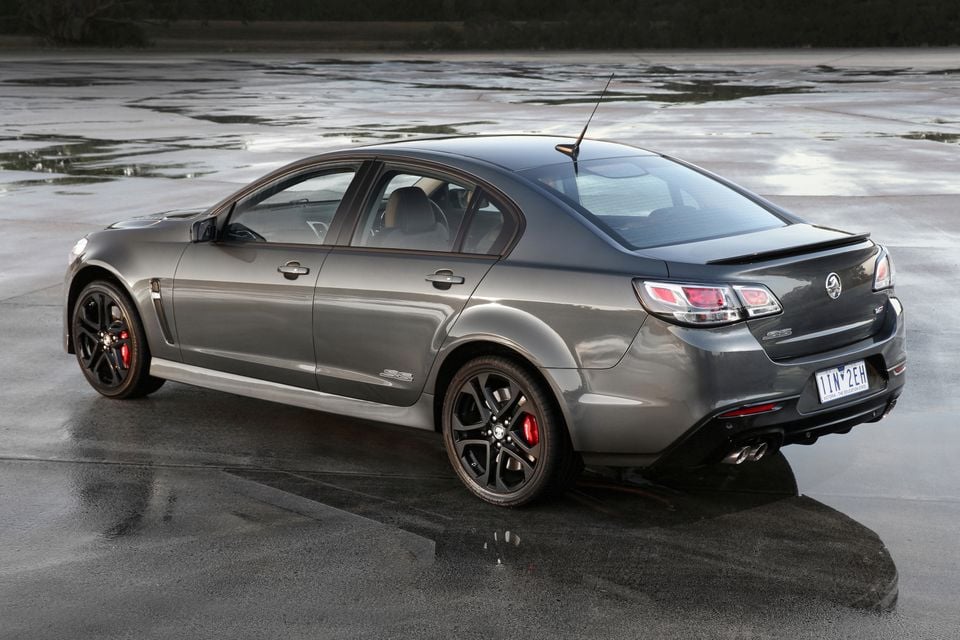
While lesser CT5s use turbocharged four-cylinder and twin-turbo V6 engines, the flagship CT5-V Blackwing is the closest thing on sale today to the last of the great Commodores.
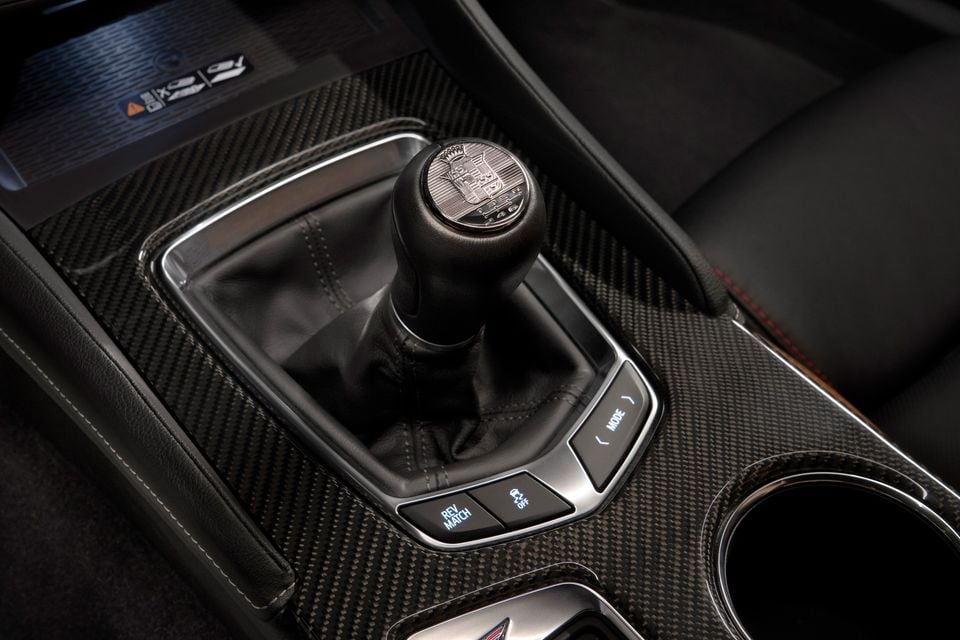
It's the same formula: a big V8 up front, drive to the rear wheels, and enough comfort to use every day. In this case, it's a supercharged 6.2-litre V8 with 498kW (668hp) and 893Nm, paired with a six-speed manual or 10-speed automatic.
The last Australian-built Commodore rolled off the line at Elizabeth in October 2017. If you were a fan of the final SS-V Redline, you'd love the CT5-V Blackwing – it has character for days, sounds incredible, and really sings when you push it.
Unfortunately, it's not coming here. The CT5-V Blackwing is built in left-hand drive only, and Cadillac's Australian lineup is entirely electric. That's a real shame, because it would have found a ready-made audience in this country – one that, in a roundabout way, helped create it.
While GM has previously confirmed the current-generation CT5 range will end production this year, it has announced a new generation is coming. GM Authority reports it'll use an updated version of the outgoing model's existing platform and enter production in the second half of 2028.
MORE: Everything Cadillac
Paul Maric is a CarExpert co-founder and YouTube host, combining engineering expertise with two decades in automotive journalism.
Anthony Crawford
32 Minutes Ago

Josh Nevett
8 Hours Ago


Ben Zachariah
24 Hours Ago
Paul Maric
1 Day Ago

Tace Clifford
1 Day Ago


Derek Fung
1 Day Ago
Add CarExpert as a Preferred Source on Google so your search results prioritise writing by actual experts, not AI.