
Damion Smy
Volkswagen confirms Chinese-made cars for Australia
Volkswagen’s global boss says Chinese-made models are on their way to Australian showrooms as the brand looks to arrest a sales slump here and overseas.
3 Hours Ago
Jetour is set to follow a very narrow lane among Chery's growing stable of brands here, with more rugged designs and perhaps more off-road capability.

Senior Editor – News

Senior Editor – News
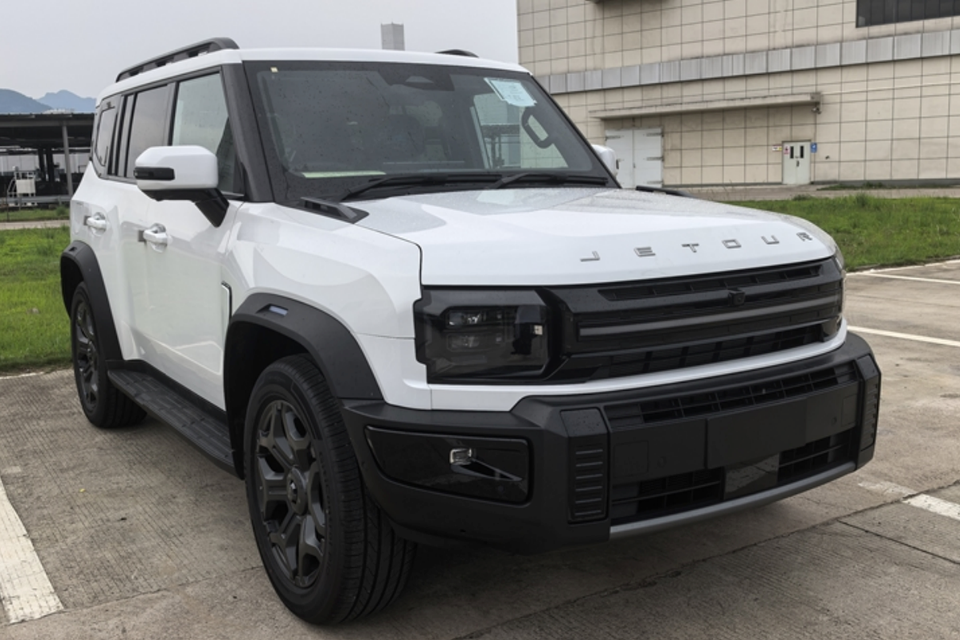
Jetour’s first models in Australia, the T1 and T2 mid-size SUVs, have received Australian Design Rule (ADR) certification ahead of their expected releases in early 2027, following the Chinese brand's local launch in late November.
The Jetour brand, part of the wider Chery Group but set to be managed by a local team separate from other Group brands here, is expected to launch in Australia with the T1 and T2.
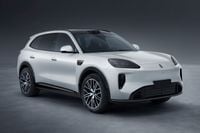
While they’re closely related, sharing car-like unibody underpinnings, the T2 has a boxier shape reminiscent of the Land Rover Defender, while the T1 has a sleeker rear-end.
Local filings list both T1 and Jetour 10 as marketing designations for the latter model, which has also received type approval for a much wider range of powertrains.
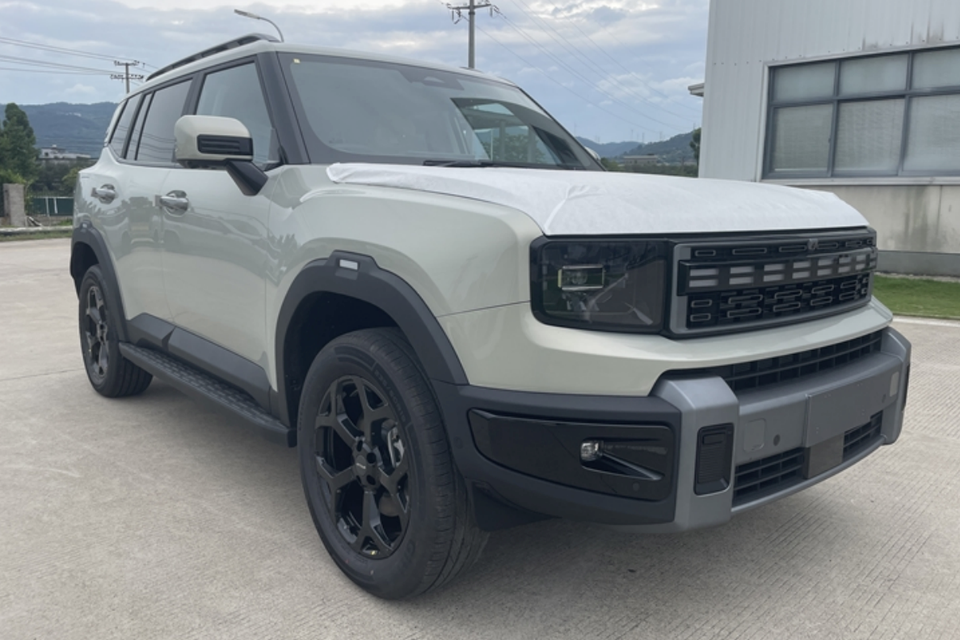
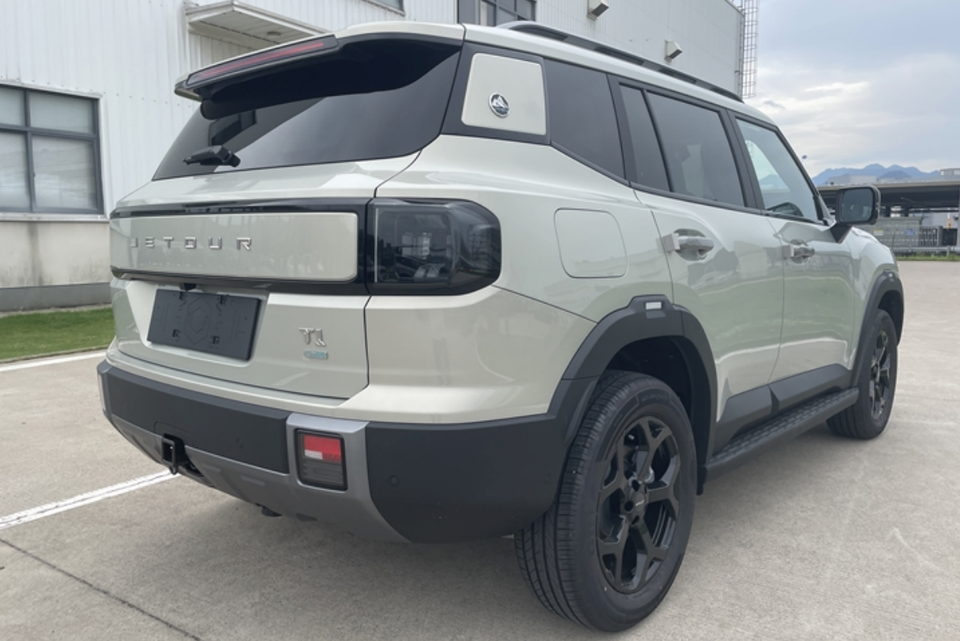
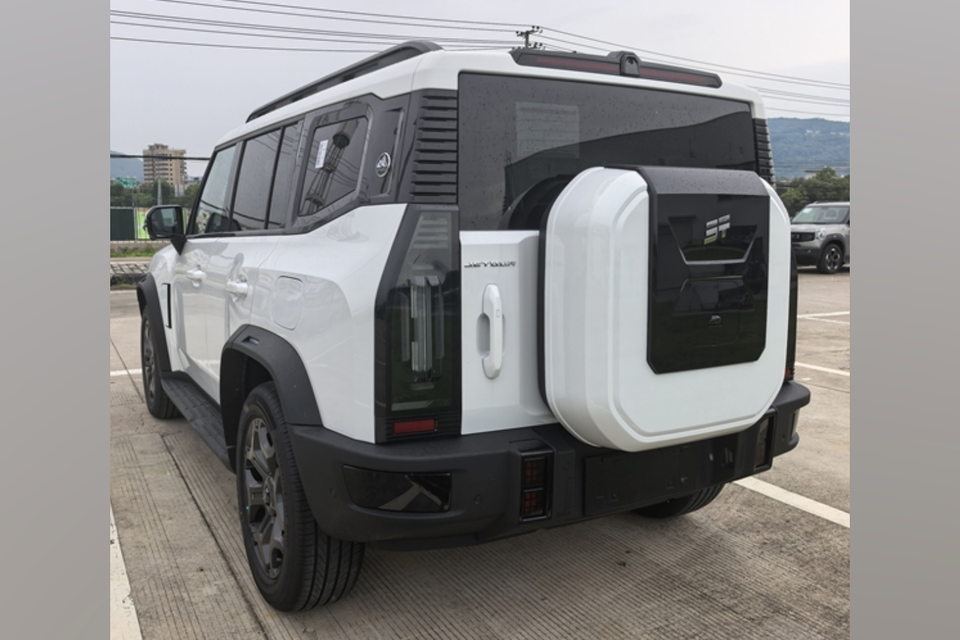
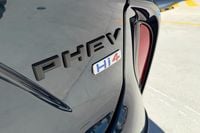
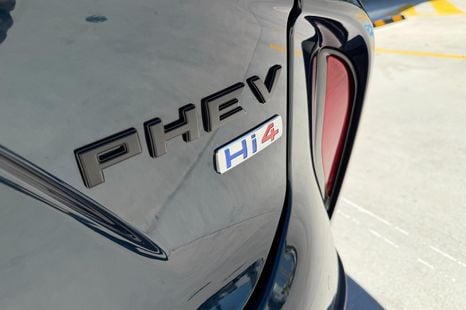
There’s a turbocharged 2.0-litre four-cylinder petrol engine mated with a seven-speed dual-clutch automatic transmission, plus a turbo-petrol 1.5-litre four-cylinder plug-in hybrid (PHEV) powertrain available with front- or all-wheel drive.
The latter is listed as producing 180kW of power and offering 1900kg of braked towing capacity. While a drive type isn't listed, this variant is understood to feature all-wheel drive.
The front-wheel drive PHEV powertrain is listed as mating a 105kW engine with a 150kW front electric motor, for “maximum possible power” of 255kW.
The all-wheel drive option adds a 175kW rear electric motor, bumping maximum possible power to 430kW.
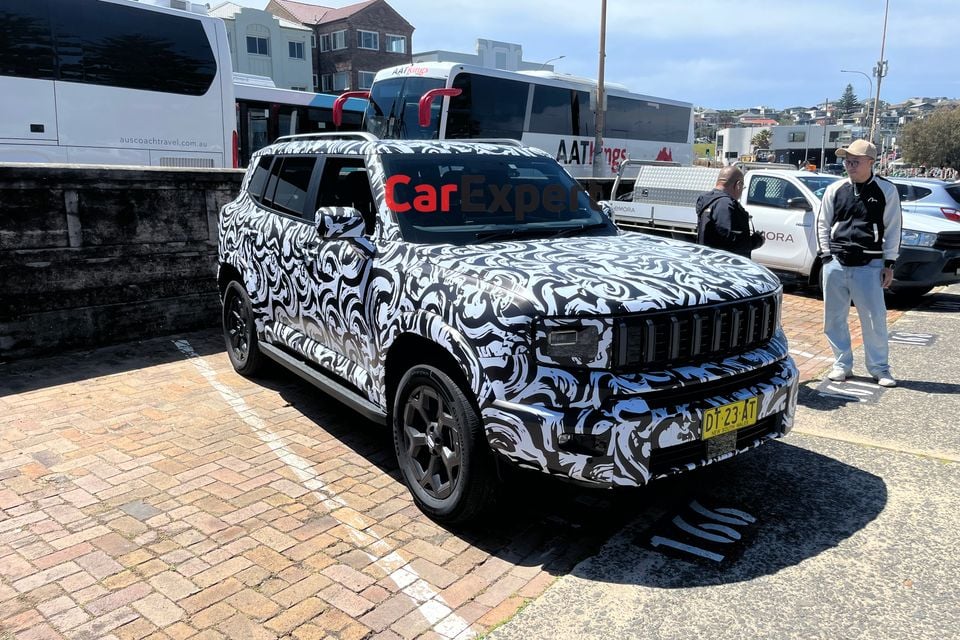
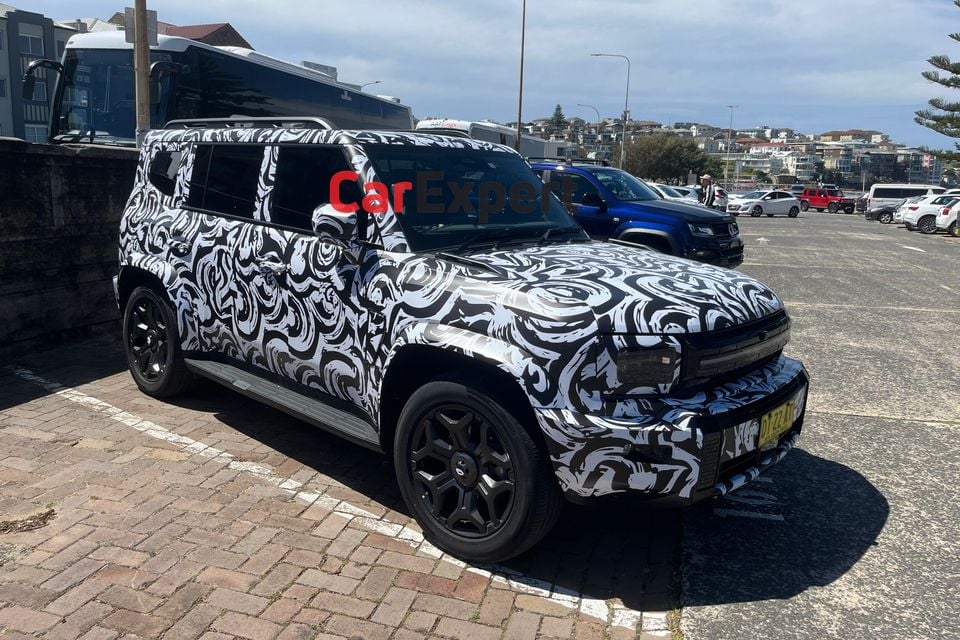
Braked towing capacity is listed at 1600kg with the PHEVs, which have a tare mass of between 1957kg and 2143kg, and a gross vehicle mass (GVM) of between 2372kg and 2558kg.
With the petrol-only powertrain, braked towing capacity is higher at 1900kg, while tare mass drops to 1816kg and GVM to 2231kg.
The boxier Jetour T2 is also listed with the alternative Jetour 20 nameplate. It’s listed as having just one variant, a PHEV powertrain featuring a 105kW turbocharged 1.5-litre four-cylinder petrol engine mated with three electric motors: 90kW and 75kW front units and a 175kW rear motor, with maximum possible power of 445kW.
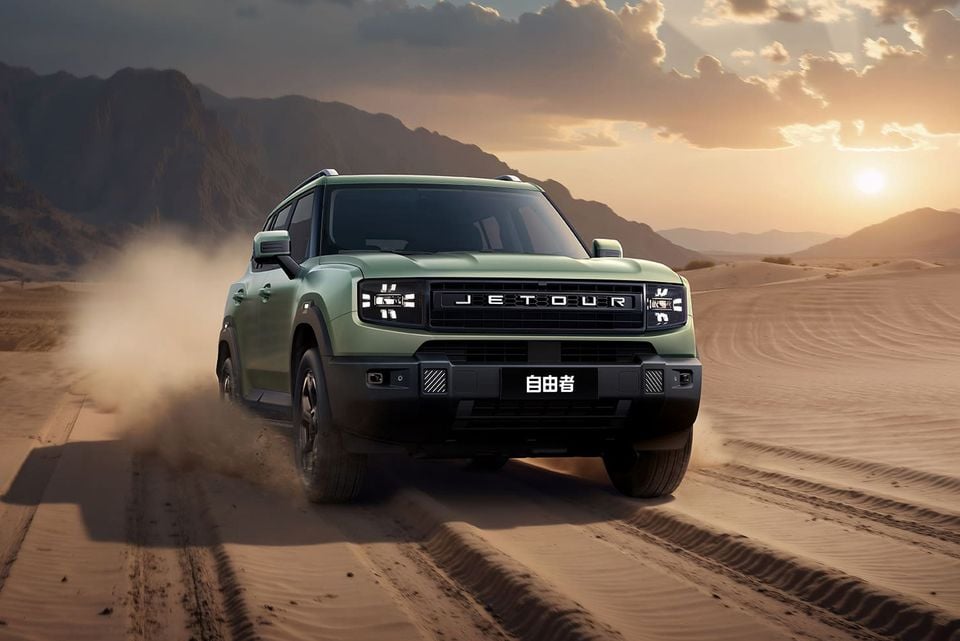
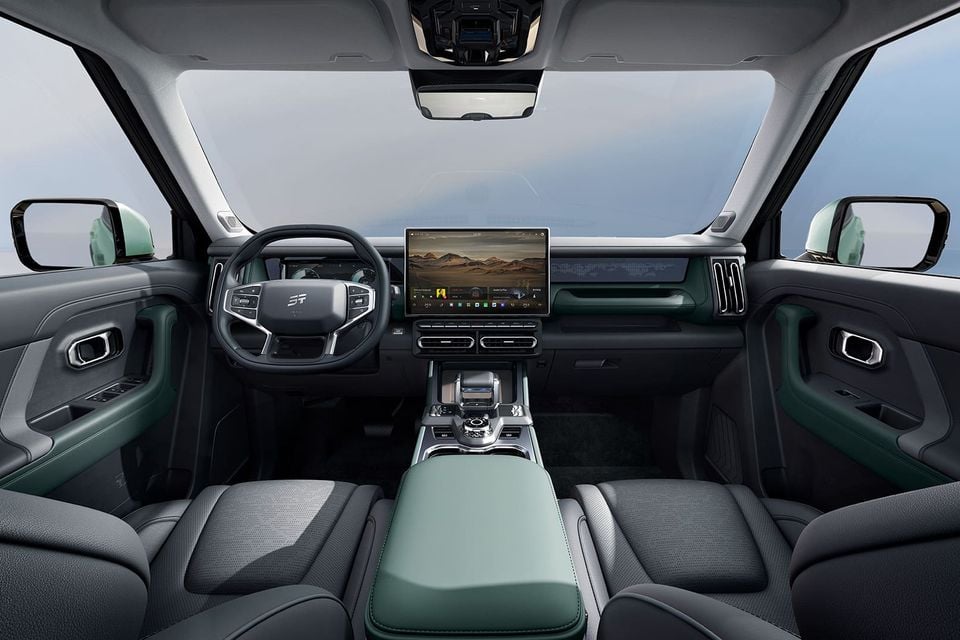
Braked towing capacity is listed as 1600kg, with a tare mass of 2375kg and a GVM of 2795kg. While specific off-road hardware isn't listed in these filings, Jetour touts the T2 PHEV as offering differential locks and a range of off-road modes.
It’s worth noting that sometimes automakers will seek ADR certification for powertrains or variants that don't end up becoming available.
The T1 and T2 are comfortably mid-sized, with the T1 measuring 4700-4705mm long, 1967mm wide and 1840mm tall on a 2800mm wheelbase, and the T2 measuring 4827mm long, 2006mm wide and 1870mm tall on a 2800mm wheelbase.
An extended-length version of the latter is also offered in China.
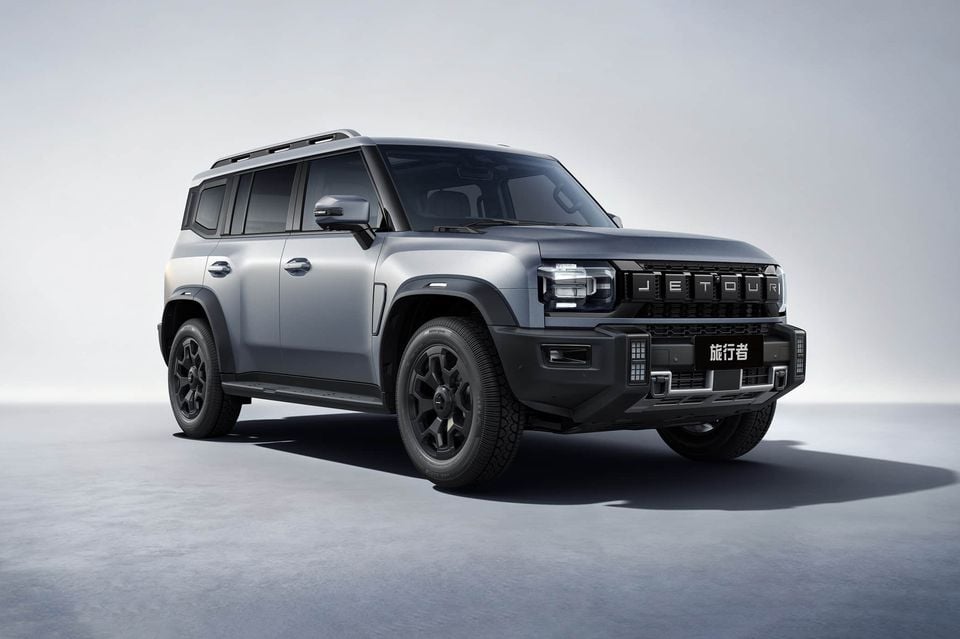
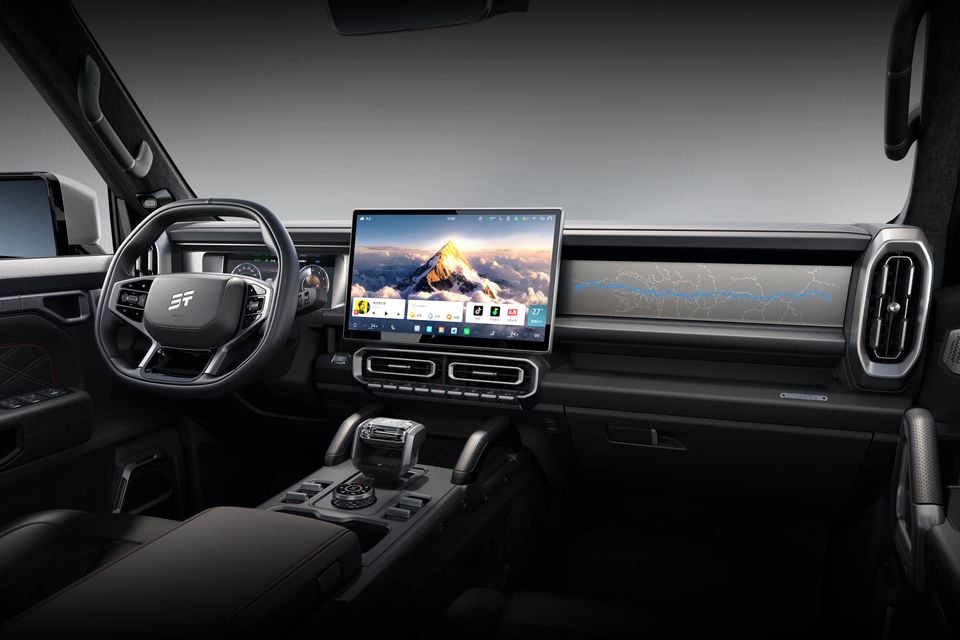
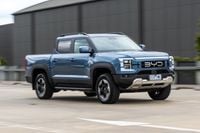
Both the T1 and T2 were spied testing in Australia earlier this month in right-hand drive guise. The brand has previously confirmed the T1 and T2 will be followed by the body-on-frame F700 dual-cab ute and G700 off-road SUV, though these aren't expected until the second half of 2027 at the earliest.
The Chery Group is inundating Australia with brands. This week, it confirmed premium marque Exlantix for a 2027 launch. Also due next year are iCaur and Freelander, which like Jetour offer boxy, electrified SUVs.
Before these Chery brands arrive, Lepas will be launched here this year. This means that by the end of 2027, Chery will have seven brands on the Australian market. It's running out of brands to bring here, though some that have yet to be confirmed for a local launch include mass-market Soueast, commercial vehicle brand Rely, and premium marque Luxeed.
MORE: Jetour T1, T2 launching in Australia in early 2027, burly G700 off-roader and F700 ute to follow
William Stopford is an automotive journalist with a passion for mainstream cars, automotive history and overseas auto markets.
Damion Smy
3 Hours Ago

Tace Clifford
3 Hours Ago
William Stopford
4 Hours Ago
Damion Smy
4 Hours Ago
Damion Smy
6 Hours Ago

Ben Zachariah
20 Hours Ago
Add CarExpert as a Preferred Source on Google so your search results prioritise writing by actual experts, not AI.