
Ben Zachariah
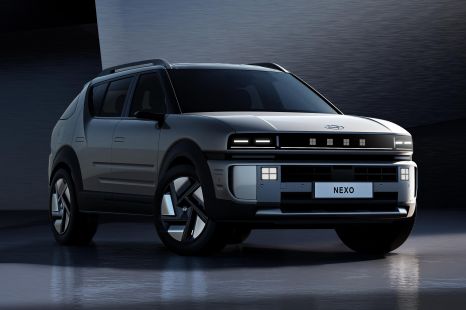
“Not dead” – Hyundai considers future hydrogen car for Australia
The talk around hydrogen vehicles appears to have died down, but Hyundai insists there’s still a future for fuel-cell cars.
7 Hours Ago
Australians could soon be paying more for hybrids – or holding onto their older, higher-emission cars – due to NVES thresholds coming into effect in 2027.
Road Test Editor

Road Test Editor
A scheduled change to the New Vehicle Efficiency Scheme (NVES) from January 2027 may actually discourage Australians from buying hybrid models.
The NVES was initially proposed as a way to reward automakers with credits for offering fuel-efficient vehicles, with penalties applied if companies exceed their CO2 emissions targets – effectively incentivising brands to offer electric and hybrid cars.
However, the sliding-scale program means stricter rules will be applied from January 1, 2027 – affecting more than 50 petrol-electric hybrid vehicles currently on sale.
The headline CO2 limits will fall from 117g/km to 92g/km for Type 1 vehicles (including passenger cars and many SUVs), and from 180g/km to 150g/km for Type 2 vehicles (light commercial vehicles and heavy off-road passenger vehicles), though individual vehicles are given a mass-adjusted target.
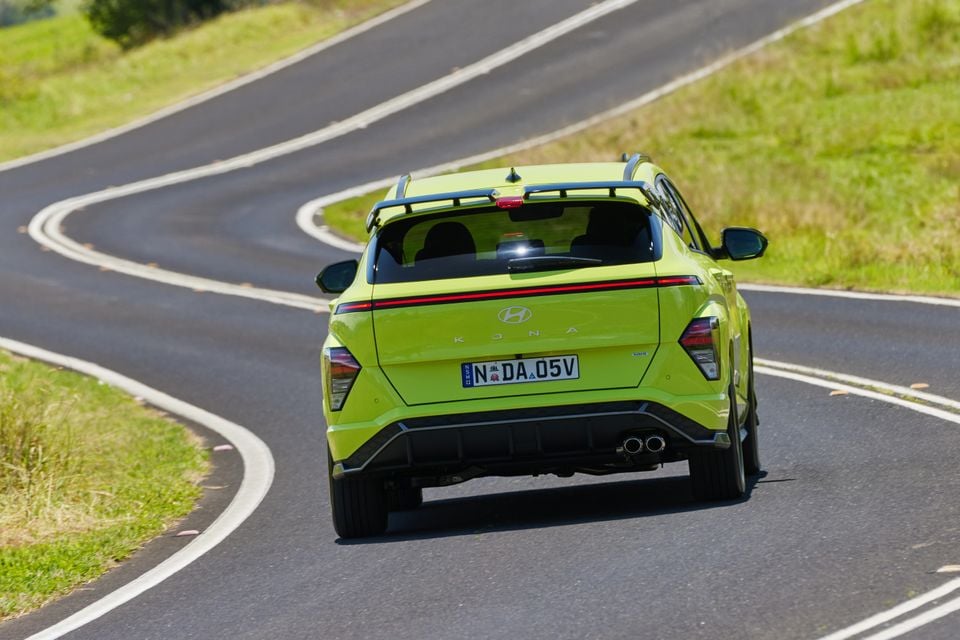
Scott Nargar, Senior Manager of Future Mobility & Government Relations at Hyundai Australia, says the tighter targets could have several negative implications.
“I think we need to do more to encourage people that don't want to transition [to electric vehicles] to consider a hybrid,” Mr Nargar told CarExpert.
“The one problem with that, next year under the NVES, hybrids – I think every hybrid in Australia – attracts a penalty.

“So now we start to penalise vehicles that we want to encourage people that can't afford to get into an EV – or can't charge one or can't tow with one – to get into something that is doing a … good job towards decarbonisation, lowering fuel usage, and also delivering a safety outcome,” he said.
Excluding vehicles already over their 2026 targets, analysis by CarExpert shows that 32 hybrid vehicle variants will exceed CO2 targets in the new year – bringing the total to 51.
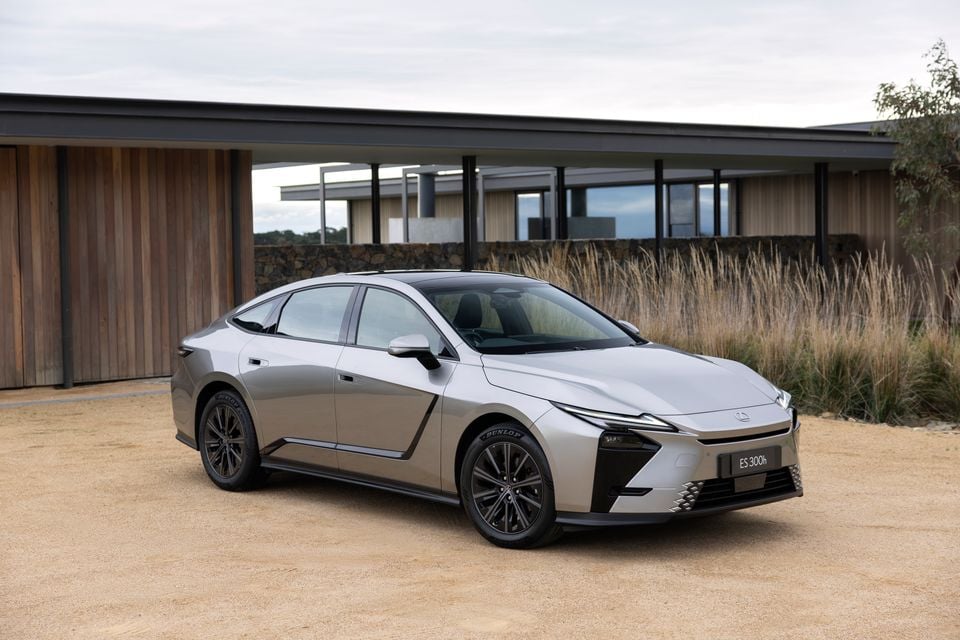
It’s believed just seven hybrid vehicle variants will remain unaffected: the Hyundai Staria Load Hybrid, the Lexus ES300h Luxury with Enhancement Pack, the Lexus RX350h Luxury 2WD, and all three members of the Nissan Qashqai e-Power lineup: the ST-L, Ti and Ti-L.
“We talk to a lot of Australians, and certainly through travelling around Australia and talking to people from regional areas [and] where we are in the cities, and down in Canberra – times are tough,” Mr Nargar said.
“People are choosing between medication, food, and energy – are EVs a right choice for those people right now?
“Instead of staying in their old Falcon or Commodore, could they get into a hybrid vehicle today and have a vehicle that's got lower CO2 – which is a great benefit for Australia – use less fuel – which is a great benefit during a fuel crisis – but also have 2026 safety features, so they're getting out of a much older vehicle?”

While there is a large representation of motorists who aren’t in a position to purchase an electric car, Mr Nargar explained the implications of making hybrids more expensive goes beyond environmental considerations.
“That's one of the most critical things that's overlooked in the whole eco vehicle transition – is we’re going to have the haves and the have-nots," he said.
“How do we ensure the have-nots – that people that can't afford it, can't drive it, can't tow it, can't charge it, whatever the reason is today [that] they can't take an electric vehicle – how do we encourage them to consider a hybrid vehicle?”

“Because we're going to have, not only the environmental outcome that the government is looking for, [but] there's going to be a safety benefit. In a year, we had the worst road toll in Australia's history, last year. We're probably going to beat it this year. So we've got the safest cars we've ever had in history, yet the road toll is not changing.”
Mr Nargar, who works with the federal government on behalf of Hyundai, said the forthcoming move to effectively penalise electrified vehicles may be premature.
“It's something we're discussing. The government and industry is talking about now,” he explained.
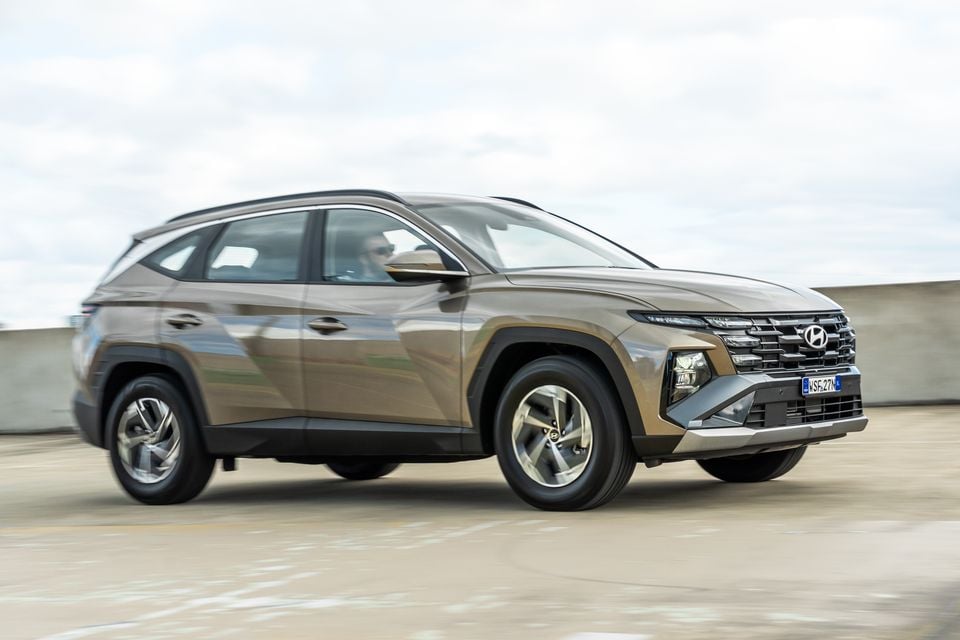
“Hybrids have been going great [over] the last couple of years. There has been research conducted – not by us, but other parties – that have said if the price of a hybrid would go up, people wouldn't consider the move, and they wouldn't move to a newer car. They stay where they are. I think that's a bad road safety and emission reduction outcome,” Mr Nargar told CarExpert.
“Times are tough at the moment. People are struggling. Energy prices are an all-time high. Food is not getting any cheaper, and neither medications and the transport costs as well. So, I think we need to be cognisant that the times, and the way Australia was at the time that NVES was set economically, has changed a whole lot since then – and we probably need to revisit a lot of it to ensure that whatever's put in place is going to serve the people.
“And one of the key things with NVES was it should never determine what a customer should buy, they should really have choice, and it should be technology neutral.”
MORE: Toyota price hikes coming as Australia's top auto brand calls for more ‘equitable’ emissions laws
Ben Zachariah has 20-plus years in automotive media, writing for The Age, Drive, and Wheels, and is an expert in classic car investment.
Ben Zachariah
7 Hours Ago

Damion Smy
8 Hours Ago

William Stopford
8 Hours Ago
William Stopford
10 Hours Ago

Damion Smy
11 Hours Ago

Max Davies
12 Hours Ago
Add CarExpert as a Preferred Source on Google so your search results prioritise writing by actual experts, not AI.